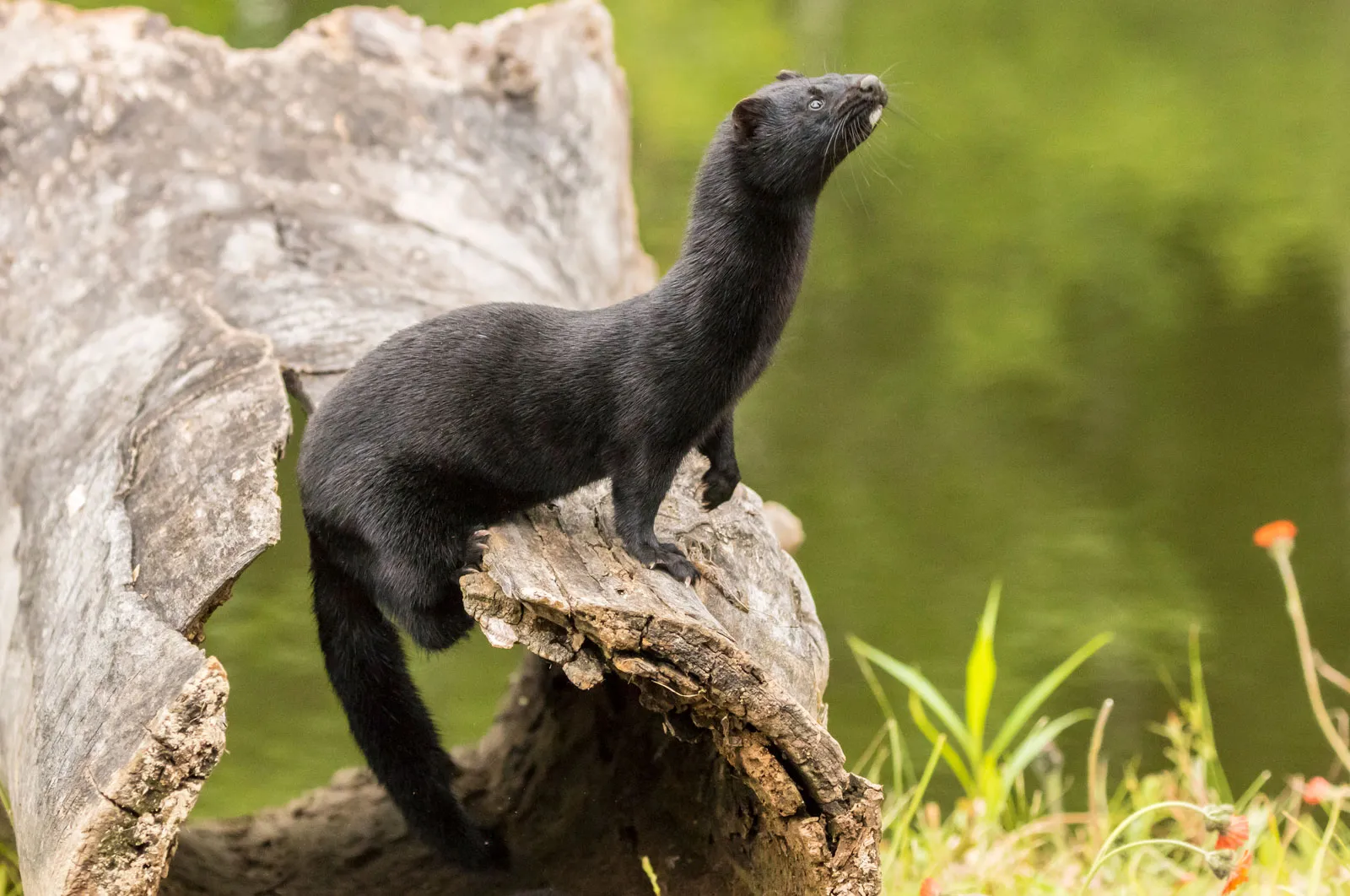
journalofserviceclimatology.org – The mink (Neovison vison) is a small but powerful carnivorous mammal belonging to the Mustelidae family, which includes otters, weasels, and ferrets. Known for its sleek fur, agility, and strong hunting instincts, the mink has become an iconic animal in both the wild and in the fur trade. This article explores the mink’s physical traits, behavior, habitat, and ecological importance.
1. What is a Mink?
The mink is a member of the Mustelidae family, which also includes otters, weasels, and ferrets. There are two primary species of mink: the North American mink (Neovison vison) and the European mink (Mustela lutreola), though the North American species is more common. Minks are semi-aquatic animals that are primarily found near rivers, lakes, and wetlands, where they thrive in dense vegetation and abundant food sources.
Minks are carnivores, and they are highly skilled hunters, known for their stealth, speed, and ability to swim. They are typically solitary animals, with males and females coming together only for mating. Despite their small size, minks are known for their powerful hunting techniques and ability to catch prey much larger than themselves.
2. Physical Characteristics of the Mink
Minks have long, slender bodies that are well-suited for hunting and swimming. They typically range from 17 to 28 inches in length, with their tail making up about one-third of their total body length. Their fur is thick and soft, often dark brown or black, with a lighter underbelly. The fur’s sleek appearance and luxurious texture have made minks highly sought after in the fur industry.
One of the mink’s most distinguishing characteristics is its webbed feet, which help it move efficiently through water. Minks are excellent swimmers and can dive to depths of up to 16 feet in search of prey. Their keen sense of smell and sharp vision make them highly effective hunters, both on land and in the water.
3. Mink Behavior and Hunting Techniques
Minks are solitary and territorial creatures, and they typically live in burrows or dens located near water sources. These dens are often built in the banks of rivers or in hollow logs, providing both protection and easy access to hunting grounds. Minks are also excellent climbers and can navigate through trees in search of prey.
As carnivores, minks primarily feed on small mammals such as mice, voles, and rabbits, but they will also hunt birds, amphibians, and fish. They are opportunistic hunters, and their diet can vary based on the availability of food. Minks are known for their stealthy approach to hunting, often stalking their prey before making a quick, decisive strike. They use their sharp claws to grasp and hold onto their prey, and their powerful jaws ensure that they can capture and kill prey efficiently.
4. The Role of the Mink in the Ecosystem
Minks play an important role in their ecosystems as predators. By hunting small mammals, birds, and fish, minks help to control populations of these species, preventing overpopulation and maintaining a healthy balance within the environment. This helps to prevent the overgrazing of vegetation and ensures the survival of other animal species.
Additionally, minks are preyed upon by larger predators such as wolves, foxes, and birds of prey, placing them within a complex food web. Their role as both predator and prey highlights their importance in maintaining biodiversity and stability in their ecosystems.
5. The Mink’s Conservation Status
The North American mink is not currently considered to be at risk, and its population remains stable across much of its range. However, the European mink is critically endangered due to habitat loss, competition from the invasive American mink, and hunting pressures. The introduction of the American mink to parts of Europe for fur farming has led to the decline of the European mink, as the American mink is more aggressive and competitive, often outcompeting the native species for resources.
Conservation efforts for the European mink focus on habitat restoration and controlling the spread of the American mink. These efforts aim to protect remaining populations of the European mink and ensure that the species can recover from its endangered status.
6. Mink in the Fur Trade
Minks are perhaps most famous for their luxurious fur, which has been prized for centuries. Mink pelts are used in the fashion industry to create high-quality coats, hats, and accessories. While fur farming has been a major industry in several countries, it has also been a source of controversy due to concerns over animal welfare.
In recent years, many countries have implemented stricter regulations on fur farming, and some have banned the practice altogether. As public awareness of animal rights issues has increased, alternative, synthetic furs have become more popular, leading to a decline in the demand for mink pelts. However, mink farming still exists in some regions, particularly in countries like China and Russia.
7. Fun Facts About the Mink
- Minks are excellent swimmers and can hold their breath underwater for up to 30 seconds while hunting.
- Minks are known for their playful behavior, often engaging in activities like sliding on ice or playing with their prey before eating it.
- Despite their small size, minks are incredibly strong for their weight and can overpower animals much larger than themselves.
- A group of minks is called a “sneak,” reflecting their stealthy and elusive nature.
8. Conclusion
The mink is a remarkable and adaptable predator, known for its agility, stealth, and strong hunting abilities. Whether it’s swimming through a river or stalking prey on land, the mink’s impressive skills and sleek appearance make it a fascinating creature in the animal kingdom. While the North American mink is not at risk, the critically endangered European mink faces challenges due to habitat loss and competition. As awareness of the environmental and ethical issues surrounding mink fur grows, efforts to conserve these animals and protect their habitats will continue to play a key role in ensuring their survival.