Viper’s Bugloss Flower: A Bold and Beautiful Wildflower

journalofserviceclimatology.org – Viper’s Bugloss (Echium vulgare) is a striking wildflower that stands out in the landscape with its vibrant color and rugged beauty. Known for its tall spikes of blue to purple flowers, this plant is a favorite among pollinators and a sight to behold in meadows, roadsides, and open fields. Commonly found throughout Europe, Asia, and parts of North America, the Viper’s Bugloss is a hardy species that thrives in a variety of environments.

Appearance and Characteristics

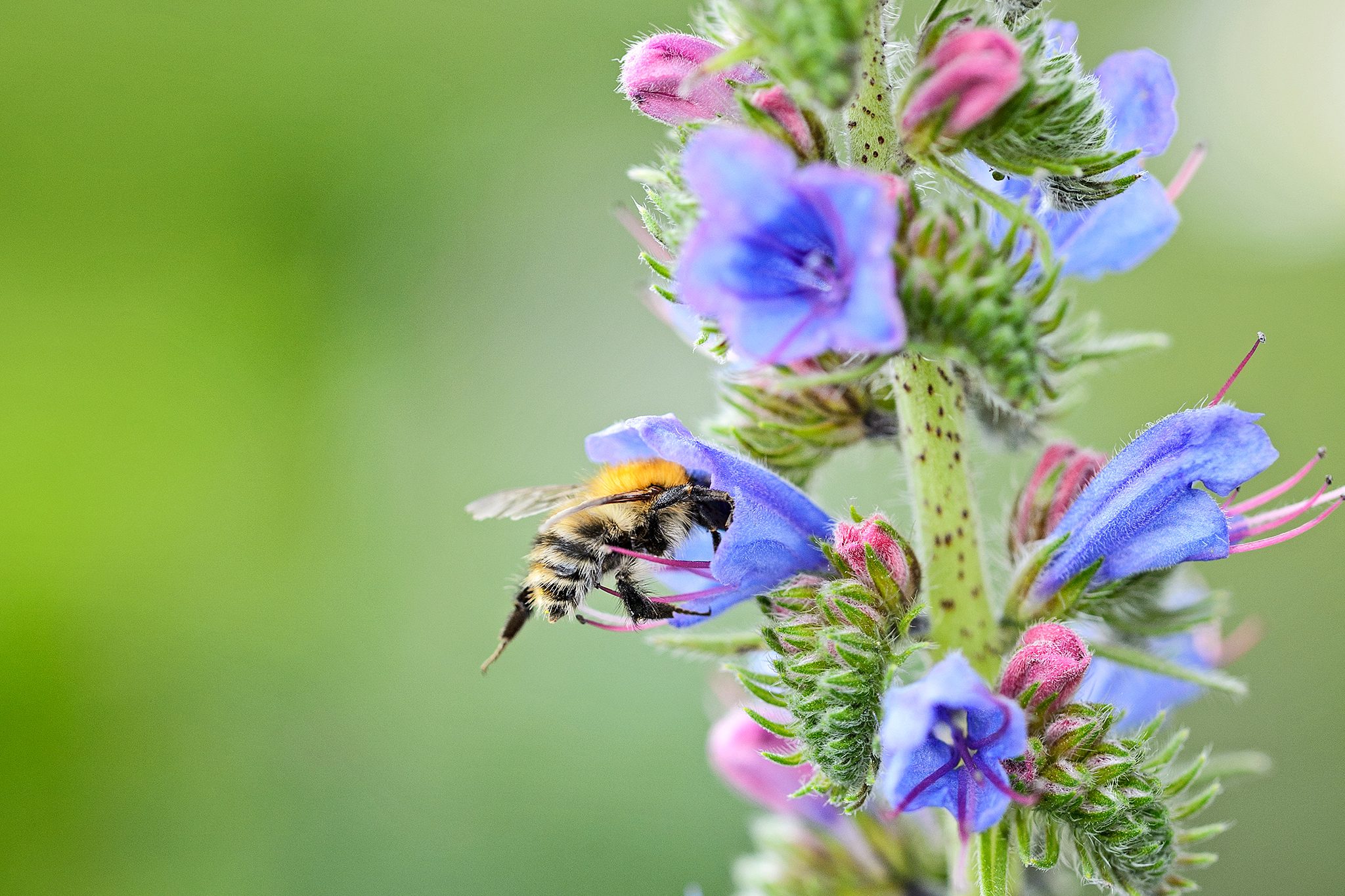
The Viper’s Bugloss flower is easily recognizable due to its eye-catching blue or purple flowers that grow in dense clusters on tall, spiky stems. The individual flowers have five petals that form a tubular shape, with a prominent, dark red or purple stamen sticking out from the center. These flowers are adorned with long, rough, and bristly hairs that give the plant a somewhat textured appearance.

The plant typically grows between 30 and 90 cm in height, with some varieties reaching up to 1.5 meters. It has lance-shaped, hairy leaves that are arranged alternately along the stem. The leaves of Viper’s Bugloss are not only attractive but also serve as an important feature in supporting the plant’s health, helping to retain moisture in dry conditions.

Habitat and Distribution

Viper’s Bugloss is native to Europe and parts of Asia, though it has also been introduced to North America. It prefers dry, well-drained soils and is often found in areas such as roadside verges, hillsides, and disturbed fields. The plant thrives in full sun and is tolerant of poor soil conditions, making it well-suited for a variety of habitats, from rocky outcrops to waste grounds.

One of the most fascinating aspects of Viper’s Bugloss is its ability to survive in areas where other plants may struggle. Its deep taproot allows it to access water from lower soil layers, enabling the plant to endure drought conditions.

Ecological Importance

Viper’s Bugloss plays a crucial role in supporting local wildlife, particularly pollinators such as bees, butterflies, and moths. The plant’s tubular flowers produce a rich nectar that attracts a wide variety of insects. These pollinators are essential for the continued reproduction of many species of plants and contribute to the health of local ecosystems.

Additionally, Viper’s Bugloss provides an important food source for various birds, such as goldfinches, who feed on its seeds. The plant’s seeds are rich in oil, making them an attractive food source for wildlife.

Medicinal and Historical Uses

The Viper’s Bugloss plant has a long history of medicinal use. In ancient times, it was believed to have therapeutic properties for treating snakebites, which is how it earned its name. While modern medicine does not widely use the plant for this purpose, it has been used historically in herbal remedies for ailments like coughs, respiratory issues, and even wounds.

The leaves and flowers of the plant were once used to make infusions and poultices, although caution is advised, as some parts of the plant can be toxic if consumed in large quantities. In recent times, Viper’s Bugloss has found a place in herbalism for its supposed mild diuretic and anti-inflammatory effects.

Conservation and Care

Viper’s Bugloss is considered a hardy wildflower and is not typically threatened by overharvesting. However, like many wild species, it can face challenges from habitat destruction, invasive plant species, and climate change. In some areas, Viper’s Bugloss is cultivated in gardens and wildflower meadows to promote biodiversity and support local ecosystems.

The plant is relatively easy to grow and care for in gardens, preferring sunny locations and well-drained soil. It can be grown from seed or purchased as a young plant from nurseries specializing in wildflowers. If you’re looking to create a pollinator-friendly garden, Viper’s Bugloss is an excellent choice.

Conclusion

Viper’s Bugloss is a captivating and ecologically significant wildflower that enriches the landscape with its bold colors and resilience. Whether you encounter it growing along roadsides, in meadows, or in your own garden, this hardy flower provides a visual feast for both humans and pollinators alike. With its historical uses and vital role in supporting biodiversity, Viper’s Bugloss is a true testament to the wonders of the natural world.
Snapdragon Flower: A Colorful and Versatile Bloom

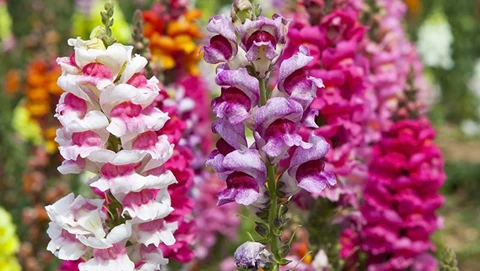
journalofserviceclimatology.org – Snapdragon flowers (Antirrhinum majus) are beloved for their vibrant colors, unique shape, and ease of care, making them a popular choice in gardens worldwide. Native to Europe and North Africa, snapdragons are prized for their ability to add bright, cheerful blooms to a variety of landscapes. These versatile flowers come in a wide range of colors and sizes, offering something for every garden style.

Physical Characteristics of the Snapdragon

Snapdragon flowers are known for their distinctive, dragon-shaped blossoms, which give them their name. The blooms have a tubular shape, with a “mouth” that opens and closes when gently squeezed, resembling a dragon’s mouth—hence the common name “snapdragon.” The flowers grow in clusters on tall, upright stems, with the plants themselves ranging from compact dwarf varieties to tall, dramatic spikes.

The flowers come in an impressive array of colors, including pink, red, yellow, white, purple, and orange, often in various combinations. This wide palette of colors makes the snapdragon an excellent choice for adding color and visual interest to gardens, flower beds, and containers.

The leaves of the snapdragon are lance-shaped, often with a slightly serrated edge, and are typically a deep green. The plants can reach anywhere from 6 inches to 3 feet in height, depending on the variety, making them suitable for both small borders and larger garden beds.

Growing Conditions and Care

Snapdragons are relatively easy to grow, making them a favorite among both beginner and experienced gardeners. They thrive in well-drained, fertile soil with plenty of sunlight, although they can tolerate partial shade. Snapdragons tend to bloom best when they receive at least 6 hours of sunlight each day, although they can manage in slightly lower light levels.

They are best planted in the spring, after the last frost, and can continue blooming into the summer, especially in cooler climates. Regular watering is necessary, but it’s important not to let the soil stay waterlogged. Snapdragons are fairly drought-tolerant once established, but they perform best with consistent moisture during their growing season.

Deadheading, or removing spent blooms, helps encourage continued flowering, and periodic fertilizing with a balanced fertilizer can promote healthier growth and more abundant blooms.

Varieties of Snapdragon

There are several different types of snapdragon plants, ranging from compact dwarf varieties to tall, spiky forms. Some popular varieties include:

  • Dwarf Snapdragons: These are smaller, more compact versions that usually grow to about 6-12 inches tall. They are perfect for container gardens, hanging baskets, or small flower beds.
  • Tall Snapdragons: These varieties can grow as tall as 3 feet and are often used in the back of garden beds or as cut flowers. Their dramatic height makes them a focal point in any landscape.
  • Trailing Snapdragons: These varieties have a more spreading growth habit and work well in hanging baskets or as ground cover.

Ecological Benefits and Pollinator Appeal

Snapdragons are highly attractive to pollinators, particularly bees and hummingbirds, who are drawn to their vibrant colors and the sweet nectar they provide. The tubular shape of the flowers is ideal for bees, who can easily access the nectar. Hummingbirds are also known to visit snapdragons, particularly the red, orange, and pink varieties.

By planting snapdragons in a pollinator-friendly garden, gardeners can help support local ecosystems and encourage healthy biodiversity. Additionally, snapdragons can help improve the overall aesthetic of a garden by adding a dynamic, colorful element that attracts wildlife.

Snapdragon in Landscaping

Due to their diverse range of sizes and colors, snapdragons are incredibly versatile in landscape design. They can be used in:

  • Flower Beds: Their vibrant flowers make them ideal for adding color to garden beds.
  • Borders: Dwarf varieties are great for edging pathways, while taller varieties can be planted at the back of flower beds to create a vertical element.
  • Containers: Their compact nature makes snapdragons perfect for pots, window boxes, or hanging baskets.
  • Cut Flowers: Snapdragons are popular as cut flowers, with their long stems and showy blooms making them a staple in floral arrangements.

Conclusion

Snapdragons are a delightful and versatile addition to any garden. With their vibrant colors, unique shape, and pollinator-friendly qualities, these flowers bring both beauty and functionality to outdoor spaces. Whether used in borders, flower beds, or containers, snapdragons offer gardeners a colorful way to enhance their landscapes. With proper care, they can provide months of stunning blooms, making them a favorite choice for gardeners looking to brighten up their gardens year after year.

Perennial Flax: A Vibrant Addition to Any Garden

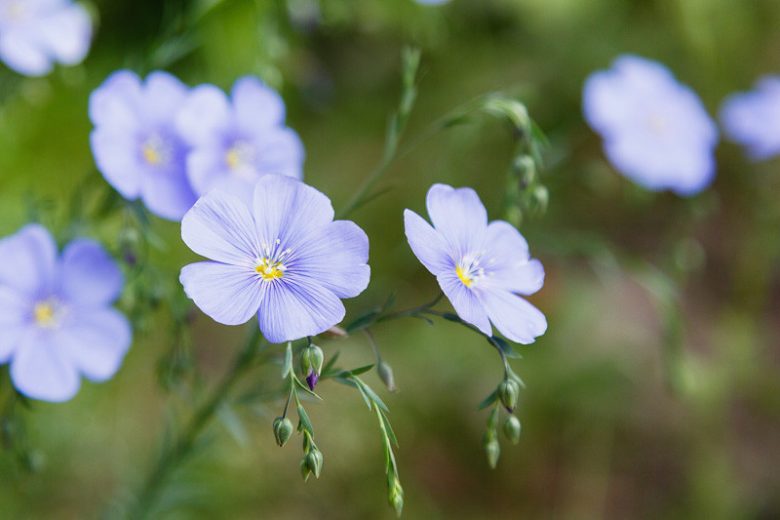
journalofserviceclimatology.org – Perennial Flax (Linum perenne), also known as Blue Flax, is a stunning wildflower that blooms annually, returning year after year. Renowned for its delicate, vibrant blue flowers and slender, graceful foliage, this plant is a standout in gardens and landscapes. Native to North America, it can be found in prairies, meadows, and grasslands, where it thrives in well-drained soil and sunny locations. Perennial Flax is celebrated not only for its beauty but also for its low-maintenance growth and ecological benefits.

Physical Characteristics

Perennial Flax is a clumping plant that typically grows to about 12-18 inches (30-45 cm) in height. Its slender stems are topped with bright blue, five-petaled flowers that resemble tiny cups. The blooms are short-lived, usually lasting just a day, but they are produced in abundance, ensuring that the plant remains colorful for several weeks during the summer. The long, narrow leaves of Perennial Flax are a bluish-green, giving the plant an airy, soft texture that complements its bright flowers.

Growing Conditions

Perennial Flax thrives in full sun and requires well-drained soil. It is drought-tolerant once established, making it an excellent choice for xeriscaping or low-water gardens. While it can tolerate a variety of soil types, it grows best in slightly alkaline soil. This plant prefers dry to moderate moisture conditions, and excessive watering or poor drainage can lead to root rot. Perennial Flax is perfect for rock gardens, wildflower meadows, or as part of a cottage garden, and it can also be grown in containers.

Uses in Gardening and Landscaping

Perennial Flax is often incorporated into gardens for its striking color and low-maintenance growth. It pairs beautifully with other wildflowers and grasses, such as black-eyed Susans, lavender, and coreopsis, creating a vibrant, naturalistic look. Its compact size makes it ideal for small gardens, borders, or as groundcover. Additionally, it attracts pollinators like bees and butterflies, adding ecological value to any garden space. Its graceful form and bright blooms also make it a popular choice for ornamental plantings in public spaces and landscapes.

Health and Medicinal Benefits

While Perennial Flax is primarily admired for its aesthetic appeal, its seeds are related to those of the common flax (Linum usitatissimum), which are known for their nutritional benefits. Flax seeds are a rich source of omega-3 fatty acids, fiber, and antioxidants. However, the Perennial Flax plant itself is not typically used for medicinal purposes in the same way as its cousin. The plant’s main value lies in its ability to enhance gardens and support local wildlife.

Ecological Importance

Perennial Flax plays a crucial role in local ecosystems. Its flowers attract pollinators, especially bees and butterflies, which are vital for pollination and the production of many other plants and crops. The plant’s seeds also serve as a food source for birds and small mammals. Because of its adaptability to various soil types and climates, it helps stabilize soil, prevent erosion, and supports biodiversity in natural areas.

Conclusion

Perennial Flax is an elegant, versatile flower that adds beauty and function to any garden or landscape. With its vibrant blue flowers, delicate form, and ability to thrive in a variety of conditions, it is an excellent choice for gardeners looking to create a low-maintenance yet visually striking garden. Beyond its aesthetic value, Perennial Flax supports local pollinators and wildlife, making it a plant that benefits both the environment and those who enjoy it. Whether you are an experienced gardener or a beginner, Perennial Flax is a fantastic addition to any outdoor space.

Macedonian Scabious Flower: A Hardy Beauty with Unique Charm

journalofserviceclimatology.org – The Macedonian Scabious (Scabiosa macedonica) is a charming perennial known for its delicate flowers and ability to thrive in a variety of garden settings. With its long-lasting blooms and stunning color palette, this flower has gained popularity among gardeners and florists alike. Native to the Mediterranean region, the Macedonian Scabious brings both beauty and resilience to any landscape.

Origins and Habitat

The Macedonian Scabious is native to the Balkans, specifically in areas of Macedonia, Greece, and neighboring regions. It grows naturally in meadows, hillsides, and rocky areas, where it can endure relatively harsh conditions, making it a hardy choice for many gardeners. This plant is well-suited to regions with temperate climates and well-drained soil. Its ability to tolerate drought and poor soil conditions further enhances its appeal as a low-maintenance garden plant.

Characteristics and Varieties

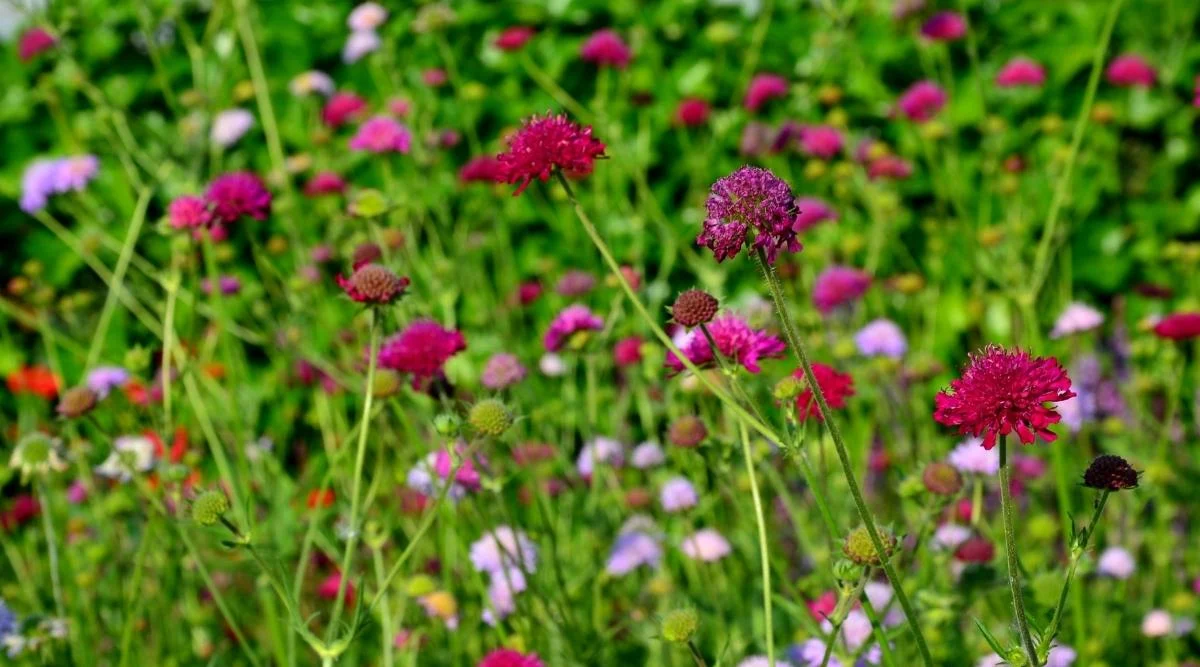
Macedonian Scabious is known for its beautiful, lacy flowers that resemble pincushions or button-shaped blooms. The flowers typically have a central cluster of smaller florets surrounded by larger, more elongated petals, creating a striking starburst effect. The flowers come in shades of purple, pink, and white, with some varieties offering bi-colored or slightly variegated petals. The plant itself is compact, typically growing to about 1–2 feet in height, with fine, lance-shaped leaves that provide a soft green contrast to the vibrant blooms.

The flowering period for Macedonian Scabious extends from late spring through summer, offering a long-lasting display of color. After the flowering season, the plant produces attractive seed heads that are often used in dried flower arrangements due to their intriguing texture and form.

Growing Macedonian Scabious

Macedonian Scabious is relatively easy to grow, making it an excellent choice for both novice and experienced gardeners. It prefers full sun or partial shade and thrives in well-drained, moderately fertile soil. While the plant is drought-tolerant once established, it benefits from regular watering during prolonged dry spells to ensure a vibrant flowering display.

This flower can be grown from seed, which should be sown in early spring or directly in the garden once the risk of frost has passed. Macedonian Scabious can also be propagated by division or by taking cuttings from established plants. The plant typically does not require much maintenance, though deadheading spent flowers can help promote further blooming.

One of the standout features of Macedonian Scabious is its ability to attract pollinators. Bees, butterflies, and other beneficial insects are drawn to the flower’s nectar, making it a valuable addition to any pollinator-friendly garden.

Symbolism and Significance

The Macedonian Scabious, like other varieties of Scabiosa, symbolizes enduring beauty, grace, and the simplicity of nature. Its delicate yet resilient flowers reflect the balance between fragility and strength, making it a fitting representation of persistence in the face of adversity. In some cultures, Scabiosa flowers are associated with a sense of calm and peace, symbolizing quiet strength and emotional balance.

This flower is also linked to the idea of connection and community, as it often attracts a variety of pollinators and thrives in well-planned garden designs. Its long blooming period is symbolic of the lasting nature of bonds and relationships, making it an ideal choice for weddings, anniversaries, or other celebrations of enduring love.

Macedonian Scabious in Floral Arrangements

The intricate beauty of Macedonian Scabious makes it a favorite for floral arrangements. Its pincushion-like blooms add texture and visual interest to both fresh and dried bouquets. It pairs beautifully with other flowers like lavender, roses, and daisies, enhancing the overall aesthetic of any arrangement.

Because of its long-lasting blooms, Macedonian Scabious is an excellent choice for cut flowers, as it remains vibrant and fresh for an extended period. Its seed heads, once dried, can also be used in ornamental displays, wreaths, and dried flower arrangements, providing a rustic, natural charm.

Conclusion

The Macedonian Scabious is a flower that combines beauty with resilience, offering gardeners a hardy yet elegant addition to their landscape. Its unique blooms, long flowering period, and ability to attract pollinators make it a valuable plant in any garden. With its symbolic meanings of endurance, grace, and connection, the Macedonian Scabious continues to captivate both nature lovers and flower enthusiasts around the world. Whether grown in the garden or used in floral arrangements, this charming flower is sure to add a touch of timeless beauty wherever it blooms.

Great Bougainvillea: A Stunning Climber with Bold, Colorful Bracts

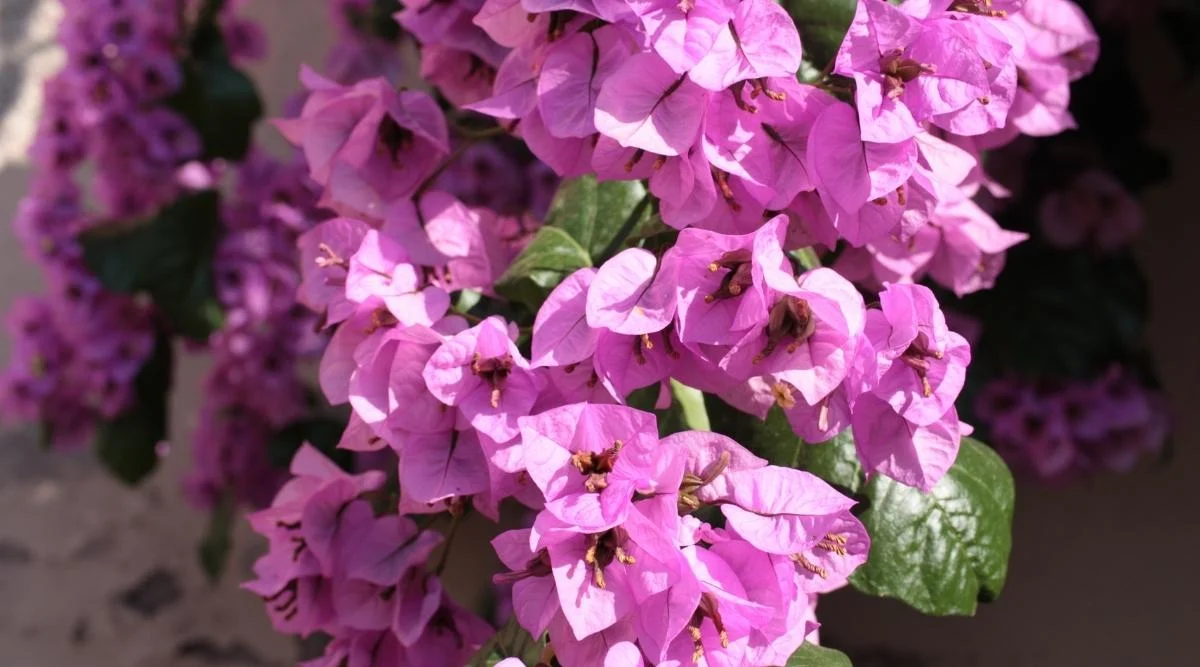
journalofserviceclimatology.org – The Great Bougainvillea (Bougainvillea spectabilis) is a vibrant, tropical vine known for its explosion of colorful bracts that cover its sprawling branches. Often mistaken for flowers, the brightly colored bracts range from magenta to red, purple, pink, orange, and even white, creating a stunning display. This fast-growing, heat-tolerant plant is perfect for bringing a dramatic flair to gardens and landscapes. In this article, we’ll explore the characteristics, care, and benefits of growing the Great Bougainvillea flower.

Characteristics of the Great Bougainvillea

The Great Bougainvillea is a vigorous climbing vine that can reach impressive heights, often growing up to 30 feet tall when supported by trellises, walls, or arbors. While its papery bracts are the showstoppers, the actual flowers of the plant are small, trumpet-shaped, and white or yellow, located inside the vibrant bracts.

This plant has thorny, woody stems and dense, dark green, heart-shaped leaves, which create a striking contrast against the colorful bracts. Bougainvillea blooms profusely during the warm months, typically from spring through fall, with peak blooming occurring in summer. The vine thrives in tropical and subtropical regions, adding an exotic touch to any garden.

Ideal Growing Conditions

To cultivate the Great Bougainvillea successfully, it’s essential to provide the right conditions. This plant is tough and adaptable but flourishes best with proper care:

  • Sunlight: Bougainvillea loves full sun and needs at least 6 hours of direct sunlight daily to produce its vibrant bracts. The more sunlight it gets, the more profusely it will bloom.
  • Soil: Well-drained soil is critical for Bougainvillea. It can tolerate poor soil, but overly rich or waterlogged soil can hinder blooming and lead to root rot.
  • Watering: Once established, Bougainvillea is drought-tolerant and prefers to dry out between waterings. Be cautious not to overwater, as it can reduce flowering.
  • Pruning: Regular pruning helps control the plant’s size and shape. Prune after blooming to remove dead branches and encourage new growth. Bougainvillea can be trained to grow as a climber, bush, or even in containers.

Benefits of Planting Great Bougainvillea

Bougainvillea is a showstopper in any garden, but it also offers numerous benefits beyond its beautiful bracts:

  • Dramatic Color Display: Bougainvillea’s brightly colored bracts make it one of the most striking plants for adding vibrant color to walls, fences, or garden structures.
  • Drought Tolerance: Once established, Bougainvillea requires little water and thrives in dry conditions, making it ideal for water-wise gardens in hot climates.
  • Versatility: Bougainvillea can be trained as a climbing vine, used as ground cover, or grown in containers for patios or balconies. Its adaptability makes it a versatile plant for various garden designs.
  • Pollinator Attraction: The tiny flowers within the bracts attract bees, butterflies, and hummingbirds, helping to support local pollinator populations.

Managing Growth

Bougainvillea is a fast grower, and in warm climates, it can become invasive if not pruned regularly. The thorny stems can make handling the plant tricky, so wearing gloves is recommended when pruning. To manage its growth, consider training the plant along trellises or arbors, or growing it in containers where its size can be controlled.

Creative Planting Ideas

The Great Bougainvillea is an excellent choice for adding a splash of color to vertical spaces, such as trellises, pergolas, or fences. It can also be used to create a striking hedge or privacy screen. In Mediterranean-style gardens, Bougainvillea pairs beautifully with other heat-loving plants like lavender, olive trees, and succulents. For smaller spaces, Bougainvillea can be grown in pots and trained into a bushy, compact shape.

Conclusion

The Great Bougainvillea is a bold, colorful vine that adds a touch of tropical flair to any garden or landscape. Its vibrant bracts, drought tolerance, and versatility make it an excellent choice for sunny, warm climates. Whether used as a climbing vine, container plant, or ground cover, Bougainvillea’s stunning display of color and long-lasting blooms will bring beauty and vibrancy to your outdoor space year after year.

The Graceful Beauty of the Fairy Iris Flower

journalofserviceclimatology.org – The Fairy Iris (Dietes bicolor) is a captivating flower known for its delicate, striking blooms and graceful appearance. Native to South Africa, this iris species has gained popularity in gardens around the world due to its beauty, resilience, and ease of care. Its unique, two-tone flowers, combined with its ability to thrive in a variety of climates, make the Fairy Iris a beloved choice for ornamental gardens and landscapes.

What Makes the Fairy Iris Special?

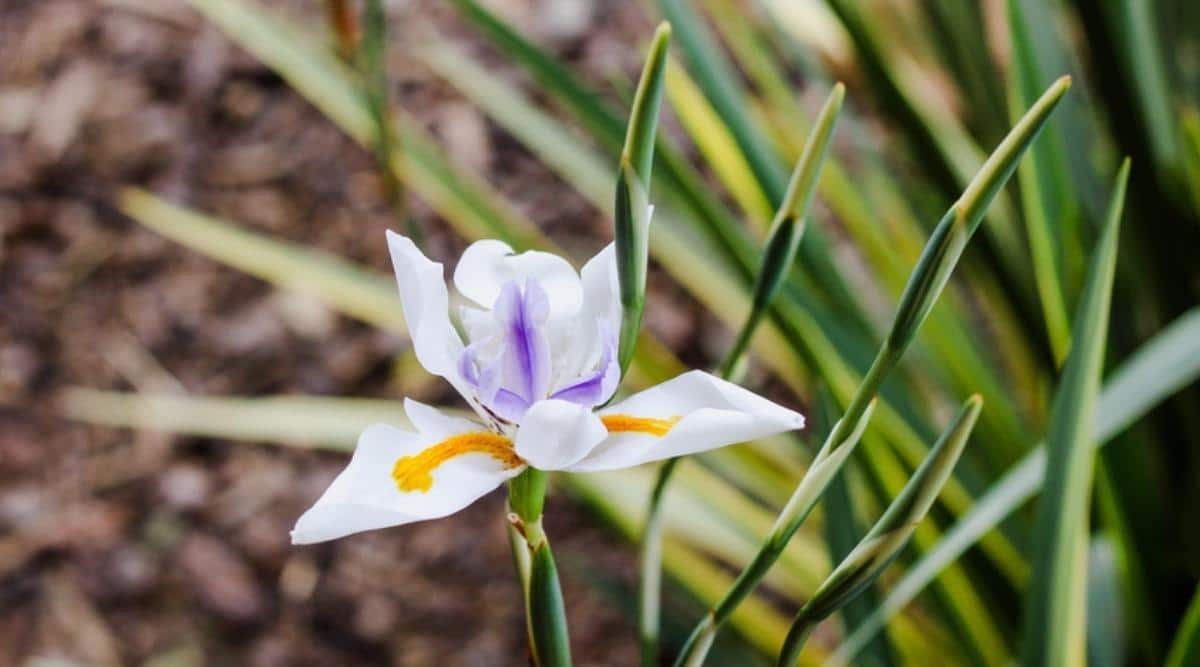
The Fairy Iris is a member of the Iridaceae family, distinguished by its elegant flowers that feature a combination of white, yellow, and purple hues. Each flower has three outer petals, which are typically white with a splash of yellow or purple near the base, and three inner petals that are smaller, often with intricate markings. These blooms appear in clusters atop tall, graceful stems, adding a touch of sophistication and color to any garden.

Unlike many other iris species, the Fairy Iris is known for its ability to bloom repeatedly throughout the year, especially in mild climates. This extended blooming period, combined with the plant’s attractive foliage, makes it a standout choice for gardeners looking to create vibrant, long-lasting displays.

Key Features of the Fairy Iris Flower

  • Striking Flowers: The most distinctive feature of the Fairy Iris is its exquisite flowers, which are white with delicate yellow and purple markings. The blooms are typically about 2 to 3 inches across and bloom in clusters, creating a dramatic visual impact.
  • Evergreen Foliage: The Fairy Iris has long, sword-like leaves that form dense clumps. These evergreen leaves maintain their lush green appearance year-round, providing structure and texture to the garden, even when the plant is not in bloom.
  • Repeated Blooming: Unlike many iris species that bloom only once a year, the Fairy Iris produces flowers multiple times throughout the year, especially in warmer climates. This prolonged blooming period ensures that gardens stay colorful and lively for months.
  • Hardiness: The Fairy Iris is a hardy plant that can thrive in various soil types and climates. It is particularly well-suited to warm regions but can also tolerate some cold temperatures in more temperate areas.

Symbolism of the Fairy Iris Flower

The Fairy Iris is often seen as a symbol of purity, elegance, and grace. Its delicate, intricate flowers evoke a sense of tranquility and refinement, making it a perfect addition to any garden designed to promote peace and beauty. The iris family, in general, is associated with wisdom and hope, and the Fairy Iris is no exception. Its graceful blooms can be seen as a representation of resilience and endurance, as it flourishes year-round in challenging conditions.

Growing the Fairy Iris Flower

Fairy Iris is relatively easy to grow and care for, making it a great choice for both novice and experienced gardeners. Here are some tips for cultivating this beautiful flower:

  • Sunlight: The Fairy Iris thrives in full sun to partial shade. For the best flowering, it should be planted in a location where it can receive at least 6 hours of sunlight per day.
  • Soil: This plant prefers well-draining soil, although it is adaptable to various soil types. A sandy or loamy soil mixture is ideal. It’s important to ensure that the soil does not become waterlogged, as this can lead to root rot.
  • Watering: While the Fairy Iris is relatively drought-tolerant once established, it will benefit from regular watering during dry spells. Be careful not to over-water, as it prefers slightly dry conditions between waterings.
  • Pruning: To encourage continuous blooming and maintain a tidy appearance, it is recommended to remove dead or damaged flowers and foliage regularly. This will also help the plant focus its energy on producing new blooms.

Uses of the Fairy Iris Flower

  • Ornamental Landscaping: The Fairy Iris is a stunning addition to any ornamental garden, especially in mixed borders, rock gardens, or as an accent plant. Its graceful blooms and evergreen foliage create a lovely visual contrast with other flowers and plants.
  • Containers and Pots: Due to its compact size, the Fairy Iris is well-suited for container gardening. It can be planted in pots or hanging baskets to add a touch of elegance to patios, balconies, or entranceways.
  • Pollinator-Friendly Gardens: The Fairy Iris attracts pollinators such as bees and butterflies, making it an excellent choice for wildlife gardens. Its vibrant blooms provide nectar for these essential garden creatures.

Conclusion

The Fairy Iris is a truly enchanting flower, known for its elegance, resilience, and repeated blooming cycles. Whether grown in the garden, in containers, or as part of a larger landscape design, the Fairy Iris adds a touch of grace and beauty to any setting. Its striking, delicate flowers and evergreen foliage make it a year-round source of interest, ensuring that it remains a favorite choice among gardeners for years to come.

Cape Leadwort: A Cascading Beauty of the Tropics

journalofserviceclimatology.org – The Cape Leadwort (Plumbago auriculata), also known as Plumbago or Skyflower, is a charming, fast-growing shrub known for its delicate blue or white flowers that bloom profusely. Native to South Africa, Cape Leadwort has become a popular ornamental plant worldwide, particularly in warm, tropical, and subtropical regions. Its soft, cascading flowers and versatility make it a favorite for gardeners looking to add color, texture, and tropical flair to their landscapes.

Botanical Description

Cape Leadwort is an evergreen shrub that can grow up to 6 to 10 feet tall and just as wide, although it is easily pruned to maintain a smaller, bushy form. The plant’s branches tend to sprawl and climb if given support, allowing it to be trained as a vine or ground cover. Its leaves are small, green, and oval-shaped, providing a lovely contrast to the delicate flowers.

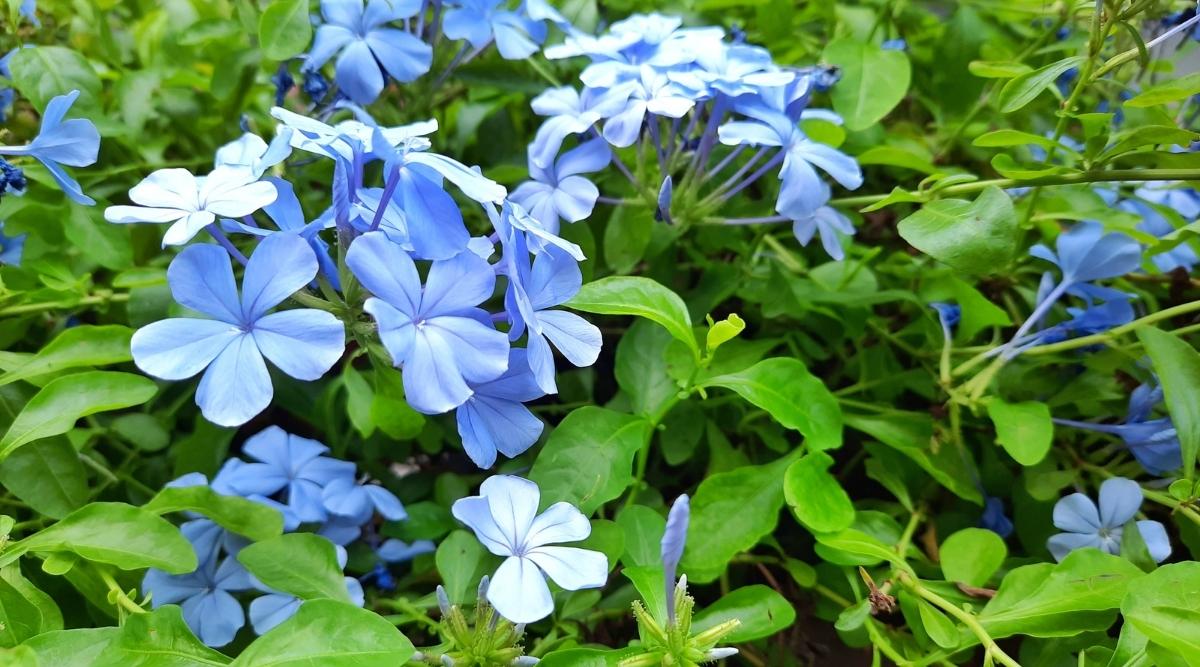
The standout feature of the Cape Leadwort is its beautiful clusters of five-petaled, tubular flowers that come in shades of light blue, sky blue, or sometimes pure white. The flowers bloom continuously from spring through fall, creating a long-lasting display of color that attracts butterflies and other pollinators. Their soft, sky-blue color is particularly rare among garden plants, making Cape Leadwort a prized addition for those seeking unique hues in their garden design.

Habitat and Growth Conditions

Cape Leadwort thrives in sunny, warm climates and is well-suited for USDA zones 9 to 11, where frost is rare or non-existent. It prefers full sun but can tolerate partial shade, although flowering may be reduced in lower light conditions. This plant grows best in well-drained, slightly acidic to neutral soil. It is tolerant of drought once established, making it a great choice for low-water gardens and Mediterranean landscapes.

In colder regions, Cape Leadwort can be grown in containers and brought indoors during winter. Its sprawling growth habit also makes it ideal for hanging baskets or window boxes, where its cascading flowers can trail over the sides.

Ecological Importance

As an ornamental plant, Cape Leadwort serves as an important nectar source for bees, butterflies, and other pollinators. Its long bloom season ensures that these beneficial insects have access to food throughout much of the year. While not native to many regions where it is cultivated, its non-invasive nature allows it to coexist well with native plants, adding beauty without disturbing local ecosystems.

Cultivation and Care

Cape Leadwort is a hardy and resilient plant that requires relatively little maintenance once established. It can be propagated from stem cuttings or planted from nursery-grown specimens. When planting, space the plants about 3 to 4 feet apart to allow for their spreading growth habit.

Water the plant regularly, especially during the first growing season, to help it establish a deep root system. Once mature, Cape Leadwort is drought-tolerant, though occasional deep watering during extended dry periods will keep it healthy and promote blooming.

Pruning is essential for maintaining the plant’s shape and encouraging bushier growth. Cape Leadwort responds well to hard pruning and can be cut back after flowering or during the winter months to maintain its size and shape. Fertilizing with a balanced, slow-release fertilizer in the spring will promote vigorous growth and abundant blooms.

Ornamental Uses

Cape Leadwort is highly versatile in the garden and can be used in a variety of ways. Its cascading growth makes it an ideal choice for ground covers, hanging baskets, or planting along retaining walls, where its flowers can trail gracefully. When planted near fences, trellises, or arbors, it can be trained to climb and create a living wall of blue or white blooms.

In addition to its use as a landscape plant, Cape Leadwort is also a popular choice for container gardens and balconies, where it can be brought indoors during cooler months in non-tropical regions. Its soft, colorful flowers add a tropical feel to patios, courtyards, and entryways.

Conclusion

With its graceful, sprawling habit and sky-blue flowers, Cape Leadwort is a must-have for gardeners looking to add a tropical touch to their outdoor spaces. Its low-maintenance nature, long-lasting blooms, and ability to attract pollinators make it a versatile and rewarding addition to a wide range of garden styles. Whether used as a ground cover, climbing plant, or container display, Cape Leadwort will delight with its beauty and resilience.

Beauty Bush: A Spectacular Shrub with Stunning Blooms

journalofserviceclimatology.org – The Beauty Bush, scientifically known as Kolkwitzia amabilis, is a deciduous shrub that lives up to its name with a breathtaking display of flowers. Native to China, this plant has become a popular choice in gardens worldwide due to its graceful form, fragrant blooms, and ease of care. Blooming in late spring to early summer, the Beauty Bush offers a burst of color that attracts attention and admiration, making it a standout feature in any garden.

Appearance and Characteristics

The Beauty Bush is a medium-sized shrub that typically grows to a height of 6 to 10 feet (1.8 to 3 meters) with a similar spread. Its arching branches create a rounded, graceful shape that adds a soft, natural look to landscapes. The shrub’s oval-shaped, dark green leaves provide a lush backdrop for its stunning flowers, which appear in profusion in the spring.

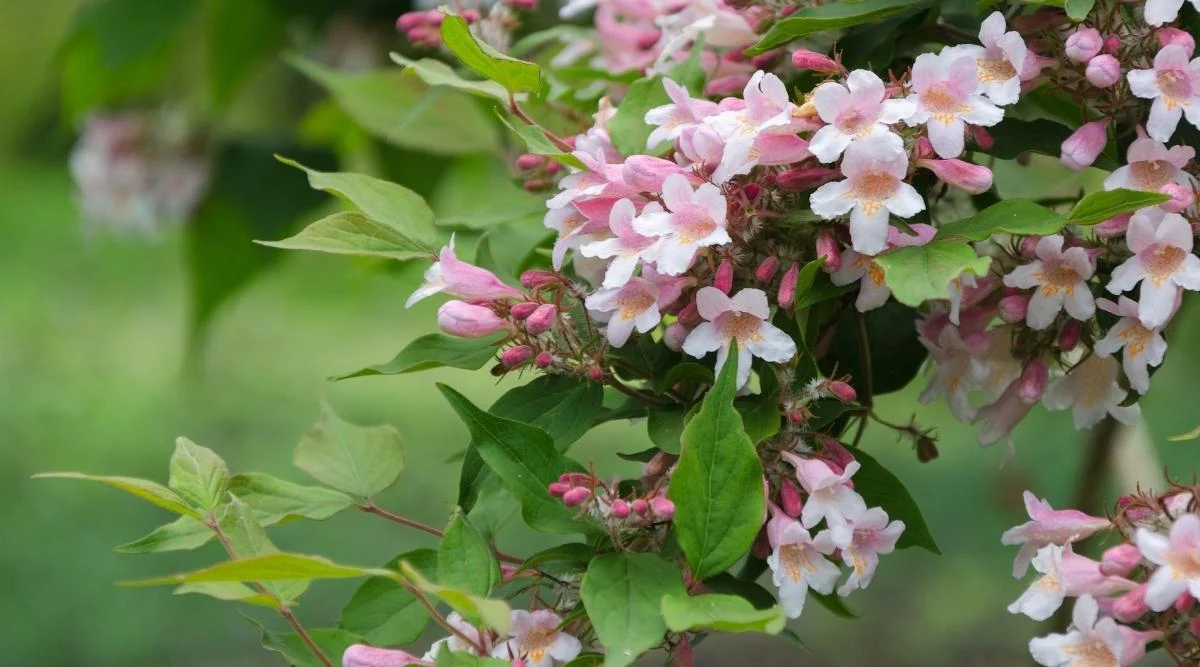
The flowers of the Beauty Bush are the plant’s most captivating feature. They are small, tubular, and pink to light purple in color, often with a slightly darker throat. These blooms grow in clusters along the branches, creating a dense, showy display that covers the shrub in late spring to early summer, usually around May to June. The flowers have a sweet, pleasant fragrance that further enhances their appeal, attracting pollinators like bees and butterflies.

As the flowering season comes to an end, the shrub’s foliage remains attractive, with the leaves turning a soft yellow or bronze in the fall before eventually dropping for the winter. The plant’s attractive shape and foliage make it a year-round asset in the garden, even when not in bloom.

Growing Conditions and Care

Beauty Bush thrives in full sun to partial shade, though it performs best when it receives at least six hours of direct sunlight each day. It prefers well-drained, slightly acidic to neutral soil, although it is adaptable to a variety of soil types. This shrub is relatively low-maintenance and can tolerate a range of conditions, from dry to moderately moist soils, once established.

While it is drought-tolerant to a degree, Beauty Bush will benefit from regular watering during dry periods, especially in its first few years of growth. It does not typically require frequent fertilization but can benefit from an annual application of balanced fertilizer in early spring to support healthy growth and abundant blooms.

Beauty Bush is a hardy plant that can withstand cold temperatures, making it suitable for USDA zones 5 to 8. In colder climates, it may lose its leaves in the winter, but it will typically recover and bloom again in the spring.

Pruning is an essential part of Beauty Bush care. To encourage strong growth and better blooming, it is recommended to prune the shrub in late winter or early spring before new growth begins. Dead or damaged branches should be removed to maintain the plant’s shape and health. Light pruning after the flowering season can help keep the shrub tidy and prevent it from becoming too leggy.

Uses in the Garden

Beauty Bush is a versatile shrub that can be used in various garden settings. Its graceful form and beautiful blooms make it an excellent choice for flowering borders, hedges, or as a specimen plant. The shrub’s size and shape also make it ideal for planting in mixed shrub borders or woodland gardens, where its soft appearance can complement both evergreen and deciduous plants.

In addition to its ornamental value, Beauty Bush works well as a screen or privacy hedge. When planted in a row, it can provide a natural barrier with its dense foliage, making it a good choice for adding privacy to patios, decks, or garden areas.

The Beauty Bush’s ability to attract pollinators also makes it a great addition to wildlife-friendly gardens. Bees, butterflies, and hummingbirds are drawn to the flowers, adding an extra layer of life and activity to the garden during the blooming season.

Symbolism and Cultural Significance

The Beauty Bush is admired not only for its physical beauty but also for its symbolism. In many cultures, the plant represents love, beauty, and grace due to its stunning flowers and elegant growth habit. Its name, Kolkwitzia amabilis, reflects its gentle nature, with “amabilis” meaning “lovely” in Latin. In addition to its ornamental uses, Beauty Bush has been valued in traditional medicine, though it is not commonly used today.

Conclusion

Beauty Bush is a fantastic addition to any garden, offering stunning springtime blooms, attractive foliage, and a graceful form that enhances its surroundings year-round. Its low-maintenance nature and versatility make it suitable for a wide range of garden styles, from traditional to wildlife-friendly landscapes. Whether used as a specimen shrub, a hedge, or part of a mixed border, the Beauty Bush is sure to captivate with its elegant flowers and pleasant fragrance. With its ability to thrive in various conditions and attract pollinators, this beautiful shrub is an excellent choice for gardeners seeking both ornamental value and practicality.

African Violet: A Charming and Easy-to-Grow Indoor Bloom

journalofserviceclimatology.org – The African Violet, known botanically as Saintpaulia, is one of the most popular houseplants worldwide, celebrated for its compact growth, colorful flowers, and ease of care. Native to the mountainous regions of Tanzania and Kenya, this charming indoor plant has become a favorite among plant enthusiasts for its ability to bloom year-round, adding a vibrant splash of color to homes. With a variety of colors and sizes, African violets are versatile plants that thrive with just a little attention.

Key Features of the African Violet

  1. Compact, Rosette Growth Habit: African violets are small, compact plants that grow in a rosette shape, making them ideal for windowsills, desks, or small spaces. Their thick, fuzzy leaves form a neat and attractive base from which their blooms emerge.
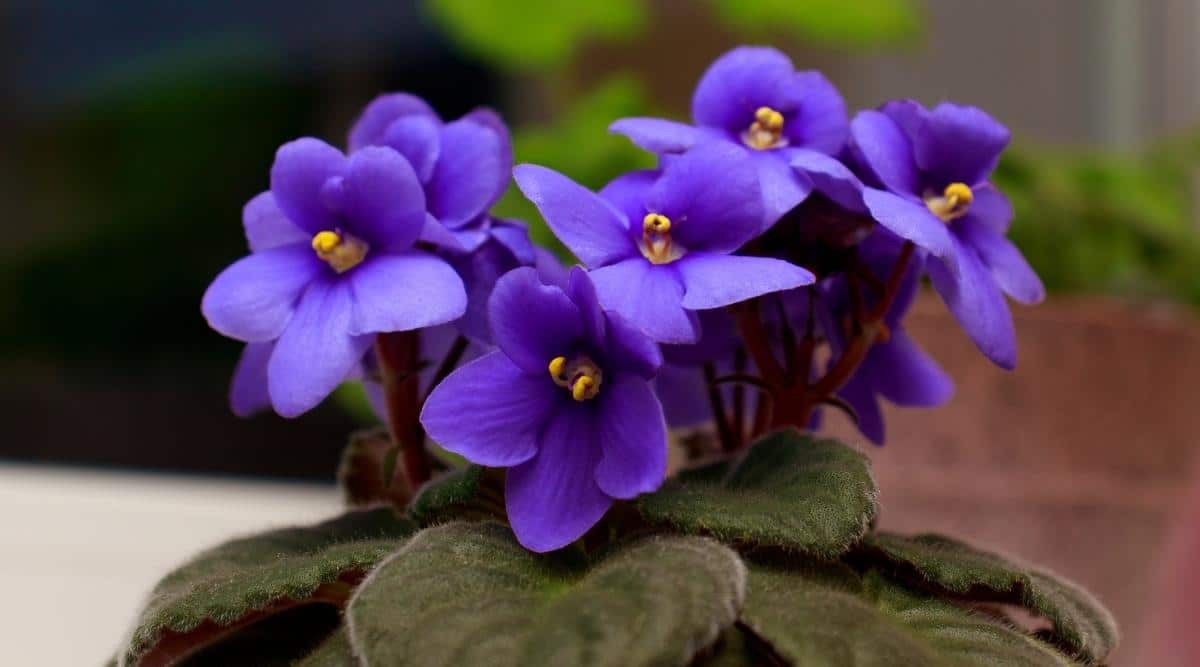
  2. Vibrant Flowers: One of the main attractions of African violets is their beautiful flowers. The blooms come in an array of colors, including purple, pink, white, blue, and even multicolored varieties. The flowers are typically small and delicate, with five to six petals, and they bloom in clusters above the plant’s foliage. With proper care, African violets can bloom nearly year-round.
  3. Variety of Sizes: African violets come in a wide range of sizes, from miniatures that grow just a few inches wide to larger varieties that can spread up to 12 inches across. This variety makes them versatile enough to fit in any space, whether you’re looking to add greenery to a tiny windowsill or create a statement plant display.
  4. Low-Light Tolerance: Unlike many other flowering plants, African violets do not require direct sunlight to thrive. They do well in bright, indirect light, making them perfect for indoor environments. Their ability to bloom in low-light conditions makes them an excellent choice for apartment dwellers or homes with limited natural light.
  5. Easy Propagation: African violets are easy to propagate from leaf cuttings, making them a fun and rewarding plant for novice gardeners or those looking to share their plant with friends. Simply take a healthy leaf, root it in water or soil, and within a few weeks, new plants will start to form.

Growing and Caring for African Violets

  • Light: African violets prefer bright, indirect light. A north- or east-facing window is often ideal, as too much direct sunlight can scorch the leaves. If natural light is limited, fluorescent grow lights can be used to provide the necessary light for blooming.
  • Watering: African violets are sensitive to overwatering, so it’s important to keep the soil consistently moist but not soggy. Water the plant from the bottom by placing the pot in a saucer of water, allowing the plant to absorb moisture through the drainage holes. Avoid getting water on the leaves, as this can cause spots or rot.
  • Humidity: These plants thrive in moderate humidity. If your home is particularly dry, consider placing a humidity tray under the plant or using a room humidifier to create a more favorable environment.
  • Soil: African violets prefer well-draining soil that is slightly acidic. Use a potting mix designed specifically for African violets or a blend of peat moss, perlite, and vermiculite to ensure proper drainage.
  • Fertilizing: Feed African violets with a balanced fertilizer designed for flowering houseplants every 4-6 weeks during the growing season. Fertilizers formulated specifically for African violets are also available and provide the right nutrients for healthy growth and blooming.
  • Pruning and Grooming: Regularly remove dead flowers and yellowing leaves to encourage healthy growth and continuous blooming. African violets also benefit from periodic repotting, especially if they become root-bound.

Common Issues and Solutions

  • Leaf Spots: Water spots on leaves are common if water comes into contact with the foliage. To avoid this, water the plant from the base or use room-temperature water if you must water from above.
  • Overwatering: African violets are prone to root rot if overwatered. Ensure that the soil is well-draining and that excess water is removed from the saucer after watering.
  • Lack of Blooming: If your African violet isn’t blooming, it may not be getting enough light or nutrients. Ensure the plant receives sufficient indirect light, and fertilize regularly to promote blooming.

African Violets in the Home

African violets are perfect for adding beauty to indoor spaces. Their compact size and ability to bloom in low light make them ideal for windowsills, side tables, or as part of a larger houseplant collection. In addition to their aesthetic value, African violets are known to improve indoor air quality by purifying the air and increasing humidity levels.

Due to their wide variety of flower colors and leaf shapes, African violets are also popular among collectors. With proper care, these plants can live and bloom for years, making them a wonderful long-term addition to any home.

Conclusion

The African Violet is a versatile, easy-to-grow plant that provides vibrant blooms year-round with minimal care. Its compact size, tolerance for low light, and stunning flowers make it a favorite choice for indoor gardeners. Whether you’re a beginner or an experienced plant enthusiast, African violets offer beauty, charm, and satisfaction in any home environment.

The Deadly Allure of Lily of the Valley: Beware the Bells

journalofserviceclimatology.org – Lily of the valley, with its sweetly scented, bell-shaped flowers, is a familiar and beloved plant in many gardens and woodlands. However, beneath its charming appearance lies a deadly secret: it is highly poisonous. This article explores the characteristics, toxicity, and historical uses of this intriguing plant.

Description and Habitat

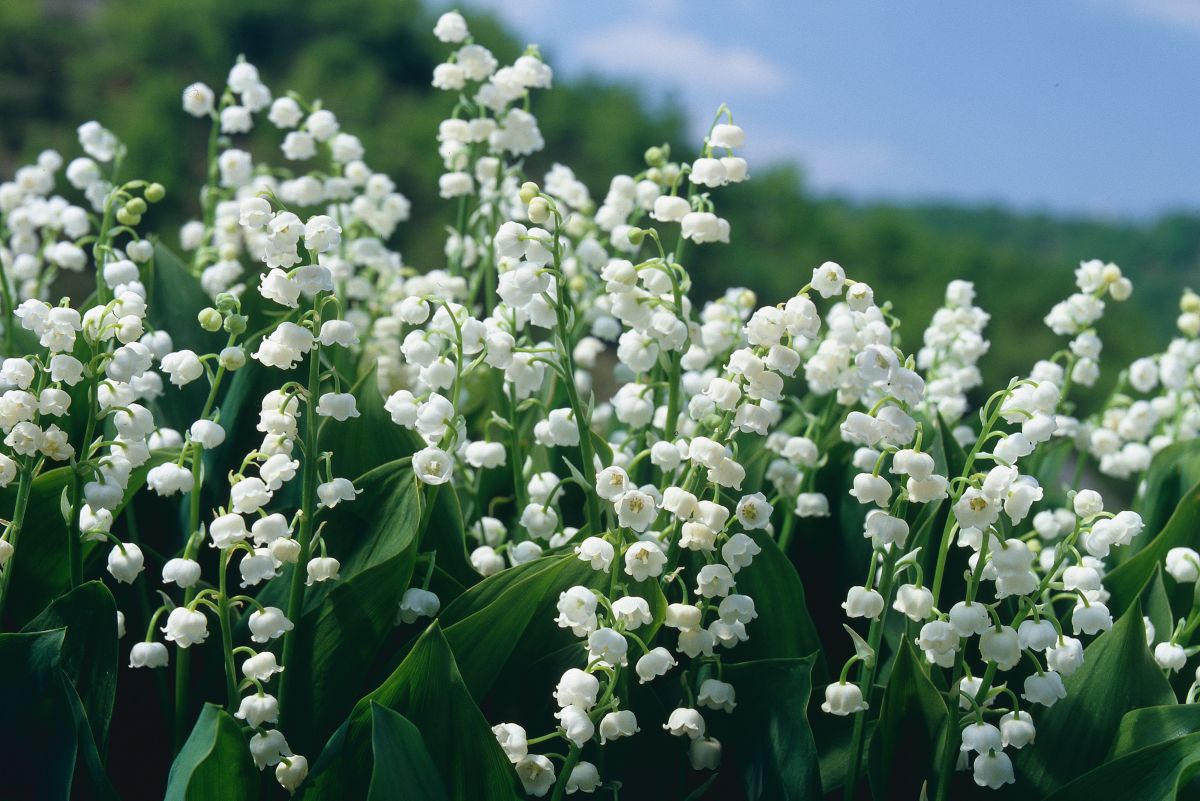
Lily of the valley, scientifically known as Convallaria majalis, is a herbaceous perennial plant native to the cool temperate regions of the Northern Hemisphere, including Asia, Europe, and North America. It thrives in shaded areas and is known for forming extensive colonies through underground stems called rhizomes. The plant produces sprays of pendent, bell-shaped white flowers in late spring, which are often referred to as “May bells”.

Toxicity

The primary reason for lily of the valley’s danger lies in its concentration of cardiac glycosides, specifically cardenolides. These compounds can be highly toxic to humans and animals if ingested. Symptoms of poisoning can include nausea, vomiting, diarrhea, and in severe cases, cardiac arrest.

Historical and Cultural Significance

Despite its toxicity, lily of the valley has been used in various cultural and medicinal contexts. In pre-modern England, it was known as “glovewort” due to its use in creating a salve for sore hands. It has also been associated with various legends and folklore, such as being discovered by Apollo, which has contributed to its historical significance.

Modern Uses and Precautions

Today, lily of the valley is primarily cultivated for its ornamental value and its scent, which is used in perfumery. However, it is crucial to handle this plant with caution, especially around children and pets, to prevent accidental ingestion.

Conclusion

Lily of the valley, with its enchanting appearance and deadly secret, serves as a reminder of the dual nature of beauty and danger in the natural world. While it offers aesthetic and cultural value, its toxicity underscores the importance of awareness and caution when dealing with potentially harmful plants.

By understanding the characteristics and risks associated with lily of the valley, we can appreciate its beauty from a safe distance, ensuring that its allure remains a source of wonder rather than harm.