Marshall Islands’ Economy: Fishing, Agriculture, and Tourism

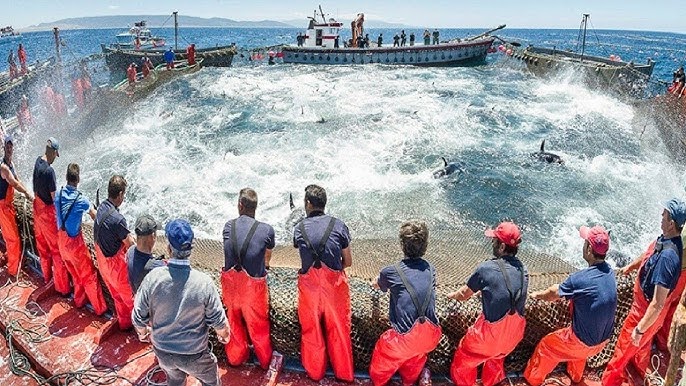
journalofserviceclimatology.org – The fishing industry is a cornerstone of the Marshall Islands’ economy, contributing significantly to both employment and revenue. The country has one of the largest Exclusive Economic Zones (EEZ) in the Pacific Ocean, covering over two million square kilometers. This vast maritime area is rich in marine resources, making tuna fishing particularly important. The government issues fishing licenses to foreign fleets, which fish for tuna and other species, generating substantial income.

Local fishing activities also play a crucial role in the economy. Many Marshallese rely on subsistence fishing for their daily food supply, and small-scale fishing businesses contribute to local markets. However, challenges such as overfishing and the need for sustainable practices are ongoing concerns that the government is actively addressing through conservation efforts and international cooperation.

Agricultural Practices

Agriculture in the Marshall Islands is limited due to the country’s atoll geography, which features poor soil quality and limited freshwater resources. Despite these challenges, agriculture remains an essential part of the local economy, primarily focusing on subsistence farming. The main crops grown include coconuts, breadfruit, pandanus, and taro, which are staples in the Marshallese diet.

Coconut cultivation is particularly significant due to its economic potential. The production of copra (dried coconut meat) is a major agricultural activity, as it is exported for the production of coconut oil and other products. Efforts to diversify agriculture and improve food security are ongoing, with initiatives to introduce new farming techniques and crops better suited to the islands’ environment.

Tourism Sector

Tourism in the Marshall Islands is an emerging industry with significant growth potential. The country’s natural beauty, including pristine beaches, coral reefs, and World War II relics, attracts visitors seeking unique experiences. Diving and snorkeling are popular activities, as the islands boast some of the most vibrant marine biodiversity in the world.

However, tourism development faces challenges such as limited infrastructure and accessibility. The government is working to improve facilities and promote the Marshall Islands as a sustainable travel destination. Initiatives to preserve the natural environment and cultural heritage are essential to ensuring that tourism growth benefits the local economy while maintaining the islands’ ecological integrity.

Overall, the Marshall Islands’ economy is a complex blend of traditional practices and modern industries. By balancing development with sustainability, the country aims to enhance its economic resilience and improve the quality of life for its people.
Preservation and Tourism: Sweden’s Natural Landscapes

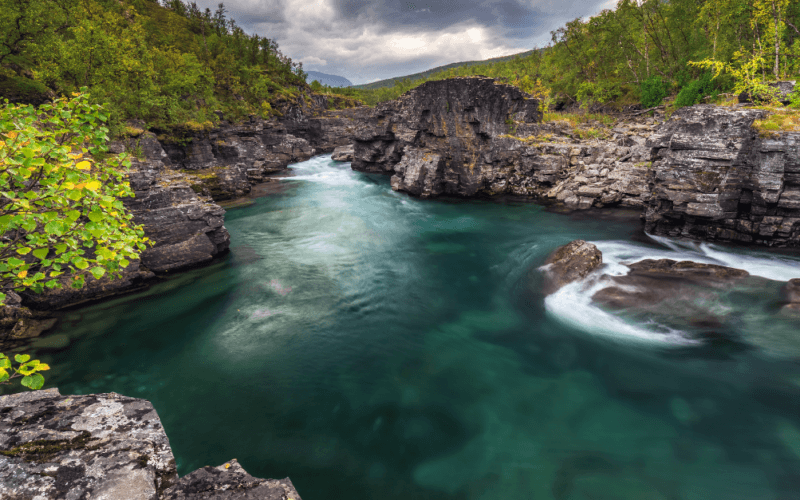
journalofserviceclimatology.org – Sweden is blessed with a diverse and breathtaking natural landscape that ranges from the Arctic tundra in the north to the lush forests and archipelagos in the south. The country’s commitment to environmental preservation has not only protected these natural wonders but also made them accessible to tourists, contributing to a thriving eco-tourism industry. This article explores the delicate balance between preservation and tourism in Sweden’s natural landscapes.

Preservation Efforts

Sweden has a long history of environmental conservation. The country’s national parks, nature reserves, and protected areas are testament to its commitment to preserving biodiversity and natural beauty. These conservation efforts are supported by strict environmental laws and a culture that values sustainability and outdoor life.

National Parks and Protected Areas

Sweden boasts 29 national parks, each offering a unique glimpse into the country’s varied ecosystems. From the rugged mountains of Sarek National Park to the serene forests of Dalby Söderskog National Park, these protected areas provide habitats for a wide range of flora and fauna. Additionally, there are numerous nature reserves and other protected sites that further contribute to the preservation of Sweden’s natural heritage.

Sustainable Tourism Practices

Tourism in Sweden’s natural landscapes is guided by principles of sustainability. The country promotes eco-tourism, encouraging visitors to explore nature in a way that minimizes environmental impact. This includes practices such as leaving no trace, respecting wildlife, and using environmentally friendly transportation.

Outdoor Activities and Experiences

Sweden’s natural landscapes offer a plethora of outdoor activities for visitors to enjoy. Hiking, camping, kayaking, and wildlife watching are just a few of the experiences on offer. The Right of Public Access, a unique Swedish principle, allows people to roam freely in the countryside, making it easy for tourists to immerse themselves in nature.

The Impact of Tourism

While tourism brings economic benefits and raises awareness about environmental conservation, it also poses challenges. Increased visitor numbers can lead to overcrowding, habitat disturbance, and other environmental issues. To mitigate these impacts, Sweden has implemented measures such as visitor management plans, educational campaigns, and infrastructure improvements.

Conclusion

Sweden’s natural landscapes are a precious asset that the country is committed to preserving for future generations. Through careful conservation efforts and sustainable tourism practices, Sweden has found a way to share its natural beauty with the world while protecting its environmental integrity. As tourism continues to grow, the balance between preservation and accessibility will remain a key consideration in managing Sweden’s natural landscapes.