Marshall Islands’ Economy: Fishing, Agriculture, and Tourism

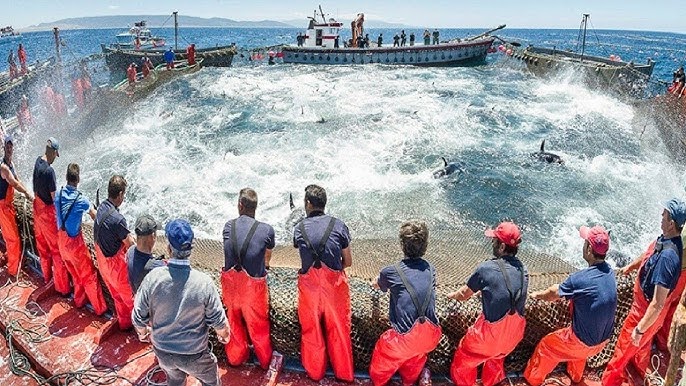
journalofserviceclimatology.org – The fishing industry is a cornerstone of the Marshall Islands’ economy, contributing significantly to both employment and revenue. The country has one of the largest Exclusive Economic Zones (EEZ) in the Pacific Ocean, covering over two million square kilometers. This vast maritime area is rich in marine resources, making tuna fishing particularly important. The government issues fishing licenses to foreign fleets, which fish for tuna and other species, generating substantial income.

Local fishing activities also play a crucial role in the economy. Many Marshallese rely on subsistence fishing for their daily food supply, and small-scale fishing businesses contribute to local markets. However, challenges such as overfishing and the need for sustainable practices are ongoing concerns that the government is actively addressing through conservation efforts and international cooperation.

Agricultural Practices

Agriculture in the Marshall Islands is limited due to the country’s atoll geography, which features poor soil quality and limited freshwater resources. Despite these challenges, agriculture remains an essential part of the local economy, primarily focusing on subsistence farming. The main crops grown include coconuts, breadfruit, pandanus, and taro, which are staples in the Marshallese diet.

Coconut cultivation is particularly significant due to its economic potential. The production of copra (dried coconut meat) is a major agricultural activity, as it is exported for the production of coconut oil and other products. Efforts to diversify agriculture and improve food security are ongoing, with initiatives to introduce new farming techniques and crops better suited to the islands’ environment.

Tourism Sector

Tourism in the Marshall Islands is an emerging industry with significant growth potential. The country’s natural beauty, including pristine beaches, coral reefs, and World War II relics, attracts visitors seeking unique experiences. Diving and snorkeling are popular activities, as the islands boast some of the most vibrant marine biodiversity in the world.

However, tourism development faces challenges such as limited infrastructure and accessibility. The government is working to improve facilities and promote the Marshall Islands as a sustainable travel destination. Initiatives to preserve the natural environment and cultural heritage are essential to ensuring that tourism growth benefits the local economy while maintaining the islands’ ecological integrity.

Overall, the Marshall Islands’ economy is a complex blend of traditional practices and modern industries. By balancing development with sustainability, the country aims to enhance its economic resilience and improve the quality of life for its people.
France’s Significant Contributions to the Global Economy

journalofserviceclimatology.org – France stands as a major economic power in Europe, with its influence extending far beyond its borders. As one of the world’s largest economies, France plays a crucial role in the global economic landscape, contributing significantly to various sectors and international trade.

A Strong Domestic Economy

France’s economic strength is underpinned by a diverse and robust domestic economy. The country has a highly developed service sector, which includes finance, tourism, and retail, contributing significantly to its GDP. Additionally, France has a strong industrial base, with significant output in automotive, aerospace, and pharmaceuticals.

Service Sector Dominance

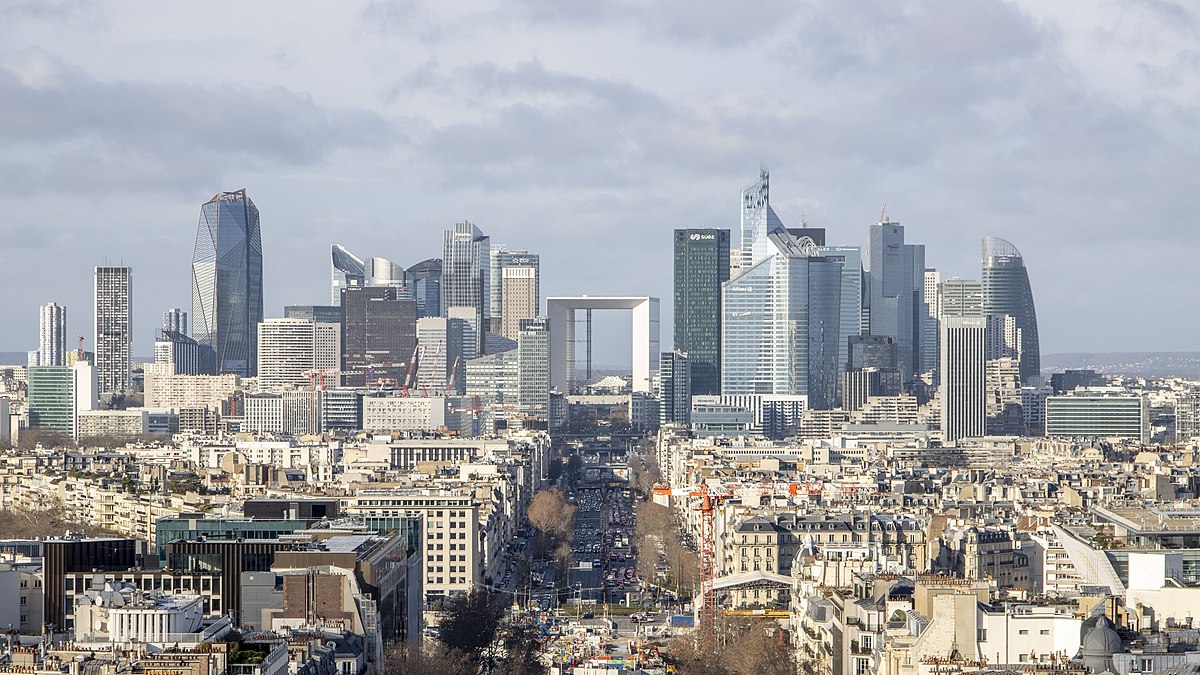
The service sector is the backbone of France’s economy, accounting for a majority of its GDP and employment. This sector includes a wide range of activities, from banking and insurance to tourism and hospitality. Paris, in particular, is a global center for finance and a top tourist destination, further bolstering the service sector’s contribution.

Industrial Might

France’s industrial sector is another pillar of its economic strength. The country is home to some of the world’s leading companies in aerospace (e.g., Airbus), automotive (e.g., Renault, Peugeot), and pharmaceuticals (e.g., Sanofi). These industries not only drive domestic growth but also position France as a key player in global markets.

Global Economic Influence

France’s economic power extends globally through its international trade, foreign investments, and leadership in various economic forums.

International Trade

France is one of the world’s leading exporters, with a diverse range of products and services. From luxury goods and wine to aircraft and pharmaceuticals, French exports are in high demand worldwide. This trade not only contributes to France’s economy but also strengthens its economic ties with other nations.

Foreign Investments

French companies are active in foreign direct investment, establishing operations and partnerships across the globe. This presence not only expands France’s economic influence but also fosters technological and cultural exchange.

Economic Leadership

France plays a significant role in international economic institutions, such as the European Union (EU), the G7, and the Organisation for Economic Co-operation and Development (OECD). The country’s economic policies and initiatives often set the tone for broader economic trends and regulations, influencing global economic stability and growth.

Conclusion

France’s status as an economic powerhouse is a testament to its diverse and dynamic economy, its strategic global engagement, and its leadership in international economic affairs. The country’s contributions to the global economy are multifaceted, ranging from its role in international trade and investment to its influence on economic policies and practices. As France continues to navigate the challenges and opportunities of the 21st century, its economic prowess remains a key driver of global economic stability and growth.