Kvas: The Traditional Fermented Rye Bread Beverage

journalofserviceclimatology.org – Kvas is a traditional fermented beverage made from rye bread, popular in many Eastern European countries, including Ukraine, Russia, and Belarus. Known for its slightly sweet and mildly sour taste, Kvas offers a unique and refreshing alternative to other beverages. It is often enjoyed in the summer months for its thirst-quenching properties, though it can be consumed year-round. With its rich history, simple ingredients, and health benefits, Kvas is a beloved drink that carries cultural significance in many Eastern European households.

What is Kvas?

Kvas is a fermented beverage that is created by fermenting a mixture of rye bread, water, and sugar. The process of fermentation gives the drink its characteristic tangy flavor, which can range from mildly sour to more pronounced, depending on the fermentation time. Traditionally, Kvas was made by soaking stale rye bread in water, adding a bit of sugar, and allowing the natural fermentation process to occur. The result is a slightly carbonated, low-alcohol drink that is both refreshing and nourishing.

In its simplest form, Kvas is made by baking or drying rye bread, which is then combined with water, yeast, and sugar. The mixture is left to ferment for several hours or days, and the final product is a drink that contains live probiotics. The beverage is often served chilled, making it especially enjoyable during the hot summer months.

Ingredients and Preparation of Kvas

The basic ingredients for making traditional Kvas include:

  • Rye Bread: The key ingredient that gives Kvas its signature flavor. Rye bread is usually toasted or dried to enhance its taste and create a rich, deep base for the beverage.
  • Water: Used to dissolve the bread and facilitate the fermentation process.
  • Sugar: A small amount of sugar is added to help the fermentation process and provide a slight sweetness to balance the tanginess.
  • Yeast: Yeast is often added to kickstart the fermentation process, though wild yeasts from the environment can also be used.
  • Optional Flavorings: Some recipes include additional flavorings such as raisins, lemon, or herbs to enhance the taste of the Kvas.

Step-by-Step Guide to Making Kvas

Making Kvas at home is relatively simple and requires only a few ingredients. Here’s a basic overview of how to prepare this traditional beverage:

  1. Prepare the Rye Bread: Start by slicing rye bread into small cubes or pieces and toasting them in the oven until they are dark and crispy. This step deepens the flavor of the bread, which is essential for the final taste of the Kvas.
  2. Soak the Bread: In a large pot, combine the toasted bread with hot water. Let the mixture sit for several hours to allow the bread to soften and release its flavor into the water.
  3. Add Sugar and Yeast: Once the bread has softened, add sugar to the mixture to promote fermentation. You can also add a small amount of yeast to speed up the process, though wild fermentation is also possible. Stir to dissolve the sugar.
  4. Ferment: Cover the pot and let the mixture ferment at room temperature for anywhere from 12 to 48 hours, depending on the desired strength of the flavor. The longer it ferments, the more sour and tangy the Kvas will become.
  5. Strain and Bottle: Once the fermentation process is complete, strain the Kvas to remove the bread pieces. If desired, add raisins or lemon slices for extra flavor. Pour the liquid into bottles, leaving some space at the top for carbonation.
  6. Refrigerate: Store the Kvas in the refrigerator for a few days to allow it to chill and carbonate. The final result is a refreshing, slightly carbonated drink with a distinct flavor profile.

Flavor Profile and Variations of Kvas

Kvas has a unique flavor that is slightly sweet, slightly sour, and often enriched with a malty undertone from the rye bread. The beverage is naturally effervescent, though it is not as fizzy as soda or sparkling water. The sweetness of the sugar balances the tanginess of the fermentation, while the rye bread provides a hearty, almost savory flavor.

There are also several variations of Kvas, depending on the region or personal preference:

  • Sweet Kvas: Some recipes for Kvas are more focused on the sweet side, with less fermentation time or added sweeteners such as honey or fruit syrup.
  • Sour Kvas: For a stronger, more sour taste, the fermentation process is allowed to continue for a longer period. This variation is particularly popular in Russia.
  • Fruit-flavored Kvas: In some variations, fruits like berries, apples, or citrus are added to Kvas to introduce a refreshing, fruity twist to the traditional flavor.
  • Herbal Kvas: Some recipes include herbs such as mint or elderflower, which infuse the beverage with an aromatic, refreshing taste.

Health Benefits of Kvas

In addition to its refreshing taste, Kvas offers several health benefits, particularly due to its fermentation process. The probiotics created during fermentation can help balance the gut microbiota, promoting healthy digestion and improving overall gut health. Kvas is also believed to help boost the immune system and provide hydration due to its high water content.

Some additional health benefits of Kvas include:

  • Digestive Health: The probiotics in Kvas support healthy digestion by promoting the growth of beneficial bacteria in the gut.
  • Hydration: As a water-based beverage, Kvas helps keep the body hydrated, especially when consumed in the summer heat.
  • Low Alcohol Content: Kvas is a low-alcohol drink, with alcohol content typically under 1%, making it a safe and light alternative to other fermented beverages like beer.

Cultural Significance of Kvas

Kvas has a long history in Eastern Europe and is deeply embedded in the cultural traditions of countries like Ukraine, Russia, and Belarus. Historically, it was a common drink in rural areas, often made at home and consumed daily as a refreshing beverage. Kvas was also used as a base for making soups, such as the traditional Russian soup called “okroshka,” which combines Kvas with vegetables, meats, and herbs for a cooling, savory dish.

In modern times, Kvas continues to be a popular beverage, particularly in the summer, when it is enjoyed as a thirst-quencher. It is also commonly sold in bottles in stores, offering a convenient way for people to enjoy this traditional drink without the need for home fermentation.

Conclusion

Kvas is a flavorful, fermented beverage with a rich history and unique taste that makes it a staple in Eastern European cuisine. Made from rye bread and fermented with natural yeasts, Kvas offers a refreshing, slightly sweet and sour taste that pairs well with a variety of dishes. Whether enjoyed on its own, in soups, or with meals, Kvas is a versatile and healthful drink that continues to be loved by people of all ages. Its cultural significance and health benefits ensure that Kvas remains a beloved beverage in Eastern European households for generations to come.

Akwadu: A Sweet Start to the Day – Origins & Regional Variations

journalofserviceclimatology.org – Akwadu, a simple yet satisfying dish of baked bananas with coconut, is a beloved breakfast staple in many tropical regions, particularly in parts of Africa and the Caribbean. This dish offers a delightful combination of sweet, caramelized bananas and the rich, creamy flavor of coconut, creating a warm and comforting way to begin the day. Its ease of preparation and use of readily available ingredients make it a popular choice for a quick and nutritious breakfast or snack.   

Origins and Regional Variations

While the exact origins of Akwadu are difficult to pinpoint, it is widely enjoyed in areas where both bananas and coconuts are abundant. The dish likely evolved as a way to utilize these readily available ingredients in a simple and nourishing way. Regional variations exist, with different spices, additions, and preparation methods employed depending on local customs and preferences. Some variations might include the addition of spices like cinnamon, nutmeg, or vanilla, while others might incorporate other fruits or sweeteners like honey or maple syrup.

Key Ingredients: A Tropical Harmony

The core ingredients of Akwadu are simple yet essential:

  • Bananas: Ripe or slightly overripe bananas are ideal for baking, as they become sweeter and softer during the cooking process. Different varieties of bananas can be used, each contributing slightly different flavors and textures.   
  • Coconut: Coconut can be used in various forms:
    • Freshly Grated Coconut: This provides the most intense coconut flavor and a pleasant texture.
    • Desiccated Coconut: This is a convenient option, although it may require a little extra moisture during baking.
    • Coconut Milk or Cream: This can be used to create a richer, creamier sauce for the baked bananas.

Preparing Akwadu: A Simple Baking Process

Preparing Akwadu is a straightforward process that involves minimal effort:

  1. Preheat the Oven: The oven is preheated to a moderate temperature, typically around 350°F (175°C).
  2. Prepare the Bananas: The bananas are peeled and can be sliced lengthwise, cut into chunks, or left whole, depending on preference.
  3. Combine with Coconut: The bananas are arranged in a baking dish and topped with the chosen coconut preparation (grated coconut, desiccated coconut, or a mixture of coconut milk/cream).
  4. Bake: The dish is baked in the preheated oven until the bananas are softened and the coconut is lightly toasted, typically for about 15-20 minutes.

Variations and Additions: Enhancing the Flavor

While the basic recipe is simple, several variations and additions can enhance the flavor and create a more complex dish:

  • Spices: A sprinkle of cinnamon, nutmeg, or vanilla extract can add warmth and aroma to the baked bananas.
  • Sweeteners: A drizzle of honey, maple syrup, or brown sugar can enhance the sweetness of the dish.   
  • Nuts: Chopped nuts like almonds, walnuts, or pecans can add a crunchy texture and nutty flavor.
  • Dried Fruit: Raisins, cranberries, or other dried fruits can add sweetness and chewiness.
  • Citrus Zest: A touch of lemon or orange zest can add a bright, citrusy note.

Serving and Enjoying Akwadu

Akwadu is typically served warm, straight from the oven. It can be enjoyed as a standalone breakfast or snack, or it can be served as a dessert with a scoop of ice cream or a dollop of whipped cream. It pairs well with a cup of coffee or tea.

Nutritional Value: A Healthy Start

Akwadu offers several nutritional benefits:

  • Potassium: Bananas are a good source of potassium, which is important for heart health and muscle function.   
  • Fiber: Bananas and coconut both contribute to fiber intake, promoting digestive health.
  • Healthy Fats: Coconut provides healthy fats that can contribute to overall health.   
  • Natural Sugars: Bananas provide natural sugars for energy.   

Cultural Significance: A Taste of Home

In many cultures where Akwadu is enjoyed, it represents more than just a simple breakfast; it is a taste of home, a connection to tradition, and a symbol of comfort and nourishment. Its simplicity and use of local ingredients make it a readily accessible and beloved dish.

Conclusion: A Simple Delight

Akwadu, with its simple ingredients and easy preparation, is a delightful and nutritious way to start the day. The combination of sweet, caramelized bananas and the rich flavor of coconut creates a warm and comforting dish that is enjoyed by many around the world. Whether enjoyed as a quick breakfast, a satisfying snack, or a simple dessert, Akwadu offers a taste of tropical flavors and a reminder of the simple pleasures of home cooking.

Yubari King Melon: A Taste of Luxury – A Fruit Fit for Royalty

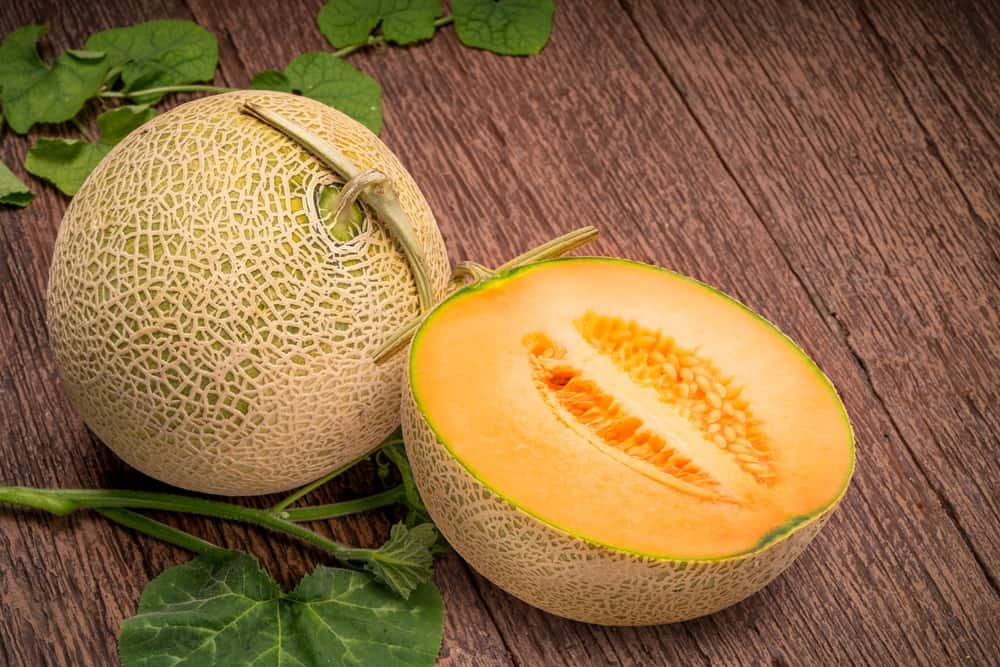
journalofserviceclimatology.org – The Yubari King melon, a rare and exquisite fruit from Japan, is renowned for its perfect spherical shape, vibrant green skin, and unparalleled sweetness. Grown in the Yubari district of Hokkaido, Japan, these melons are considered a symbol of luxury and are often gifted as high-end presents.

A Perfect Cultivation

The cultivation of Yubari King melons is a meticulous process that requires careful attention to detail. Farmers meticulously select and nurture the best melon plants, and the fruits are often individually wrapped to protect them from damage. The ideal growing conditions, including fertile soil, abundant sunlight, and precise temperature and humidity control, contribute to the development of the melons’ exceptional flavor and texture.

A Culinary Delight

Yubari King melons are prized for their intense sweetness and delicate aroma. The flesh is a vibrant shade of green and has a soft, juicy texture. Many people enjoy eating the melon chilled, while others prefer to incorporate it into desserts, sorbets, or fruit salads.

The Price Tag

The high quality and limited availability of Yubari King melons make them a luxury item. A single melon can fetch thousands of dollars at auction, making it one of the most expensive fruits in the world. The exorbitant price tag is a reflection of the meticulous cultivation process, the unique flavor, and the cultural significance of the fruit.

A Symbol of Luxury

Yubari King melons are often given as gifts to express appreciation, respect, or love. They are associated with wealth, status, and sophistication. The perfect shape and vibrant color of the melons make them visually appealing, and their sweet, juicy flesh is a delight to the senses.

Pulpo a la Gallega: A Simple Yet Flavorful Dish

journalofserviceclimatology.org – Pulpo a la Gallega, or Galician-style octopus, is a classic Spanish dish that showcases the simplicity and flavor of fresh seafood. It’s a popular tapa and is often enjoyed as a main course.

Key Ingredients and Flavors

The key ingredients in Pulpo a la Gallega are:

  • Octopus: Fresh, tender octopus is the star of the dish.
  • Sea Salt: Coarse sea salt is used to season the octopus.
  • Pimentón: Spanish paprika adds a smoky, sweet flavor.
  • Olive Oil: High-quality olive oil is drizzled over the octopus to add richness and flavor.

The Art of Cooking Octopus

Cooking octopus can be tricky, as it can be tough if not cooked properly. However, with a few simple techniques, it can be tender and delicious.

  1. Boil the Octopus: The octopus is boiled in a large pot of salted water until tender.
  2. Shock the Octopus: Once cooked, the octopus is immediately plunged into ice water to stop the cooking process and preserve its texture.
  3. Slice the Octopus: The octopus is sliced into thin pieces.
  4. Season and Serve: The octopus is seasoned with salt and paprika and drizzled with olive oil. It’s often served at room temperature, allowing the flavors to develop.

A Culinary Tradition

Pulpo a la Gallega is a beloved dish in Galicia, a region in northwestern Spain known for its fresh seafood. It’s often served in traditional Galician restaurants, known as “pulperías.”

Eton Mess: A Delicate Summer Dessert – Key Ingredients

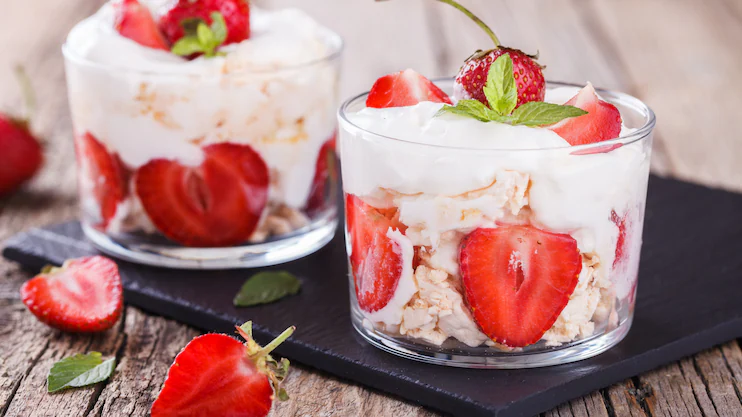
journalofserviceclimatology.org – Eton Mess is a classic British dessert that is often enjoyed during the summer months. It’s a simple yet elegant dish that combines the flavors of sweet strawberries, meringue, and whipped cream.

A Brief History

The exact origins of Eton Mess are somewhat unclear, but it is believed to have originated at Eton College in the early 19th century. The story goes that a clumsy waiter accidentally dropped a bowl of meringue onto a plate of strawberries and cream, creating a delicious and unexpected dessert.

Key Ingredients and Preparation

The key ingredients for Eton Mess are:

  • Strawberries: Fresh, ripe strawberries are essential for this dessert.
  • Meringue: Crisp, sweet meringue kisses.
  • Whipped Cream: A light and airy whipped cream.

To prepare Eton Mess, the strawberries are hulled and quartered. The meringue is broken into small pieces. The strawberries, meringue, and whipped cream are then combined in a bowl and gently mixed together.

The Perfect Balance of Flavors and Textures

Eton Mess offers a delightful balance of flavors and textures. The sweet, juicy strawberries complement the crisp, airy meringue and the rich, creamy whipped cream. The combination of these elements creates a truly indulgent dessert experience.

Modern Variations

While the classic Eton Mess recipe is beloved, there are many modern variations to suit different tastes and preferences. Some popular variations include:

  • Chocolate Eton Mess: Adding chocolate shavings or chocolate sauce to the dessert.
  • Fruit Eton Mess: Using other fruits, such as raspberries or blueberries.
  • Vegan Eton Mess: Using plant-based whipped cream and meringue.

Eton Mess is a timeless dessert that continues to be enjoyed by people of all ages. Its simplicity, elegance, and delicious flavor make it a perfect choice for any occasion.

Puto: A Classic Filipino Rice Cake – A Culinary Legacy

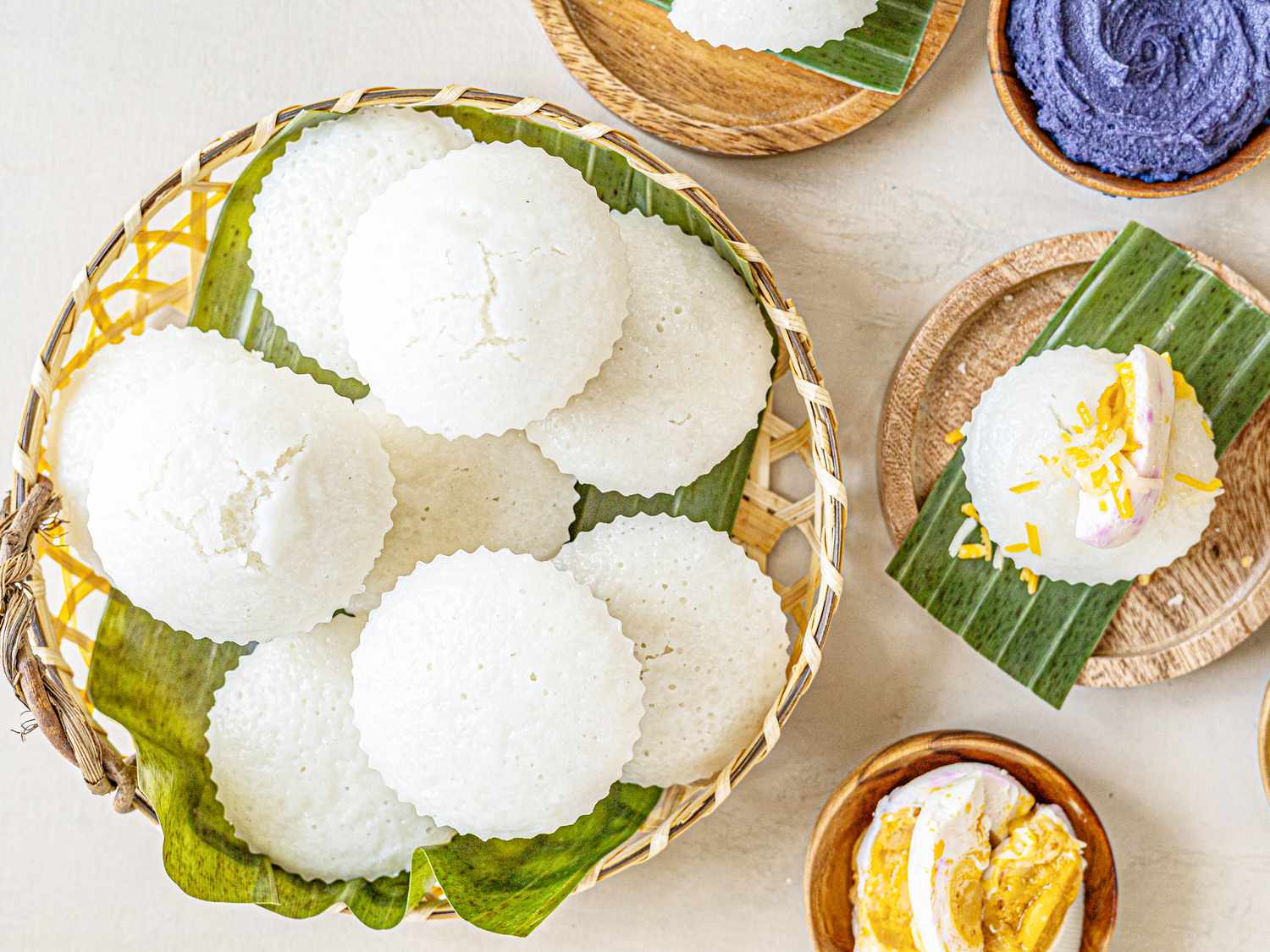
journalofserviceclimatology.org – Puto, a simple yet delightful Filipino rice cake, has been a beloved treat for generations. These soft, steamed cakes are often enjoyed as a breakfast food or a merienda (afternoon snack).

A Culinary Legacy

Puto’s origins can be traced back to the pre-colonial era, where rice was a staple food. The Filipinos have a long history of using rice to create a variety of sweet and savory dishes, and puto is one of the most popular.

The Art of Puto

The key to a perfect puto lies in the balance of texture and flavor. The rice flour is mixed with water, sugar, and baking powder to create a batter. The batter is then steamed in small molds, resulting in soft, fluffy cakes.

Key Ingredients and Their Role:

  • Rice Flour: Provides the base for the cake.
  • Water: Hydrates the flour.
  • Sugar: Adds sweetness.
  • Baking Powder: Acts as a leavening agent.

Common Variations:

  • Plain Puto: The classic version, made with simple rice flour, water, sugar, and baking powder.
  • Ube Puto: A popular variation, ube puto incorporates ube (purple yam) into the batter, resulting in a vibrant purple color and a sweet, nutty flavor.
  • Cheese Puto: A decadent treat, cheese puto is topped with grated cheese, creating a savory and cheesy flavor.

Beyond the Plate: The Cultural Significance of Puto

Puto is more than just a food; it’s a symbol of Filipino culture and tradition. It’s often served during special occasions and celebrations, such as birthdays, weddings, and fiestas. Puto is also a popular street food, enjoyed by people of all ages.

Avgolemono: The Creamy Lemon and Egg Soup

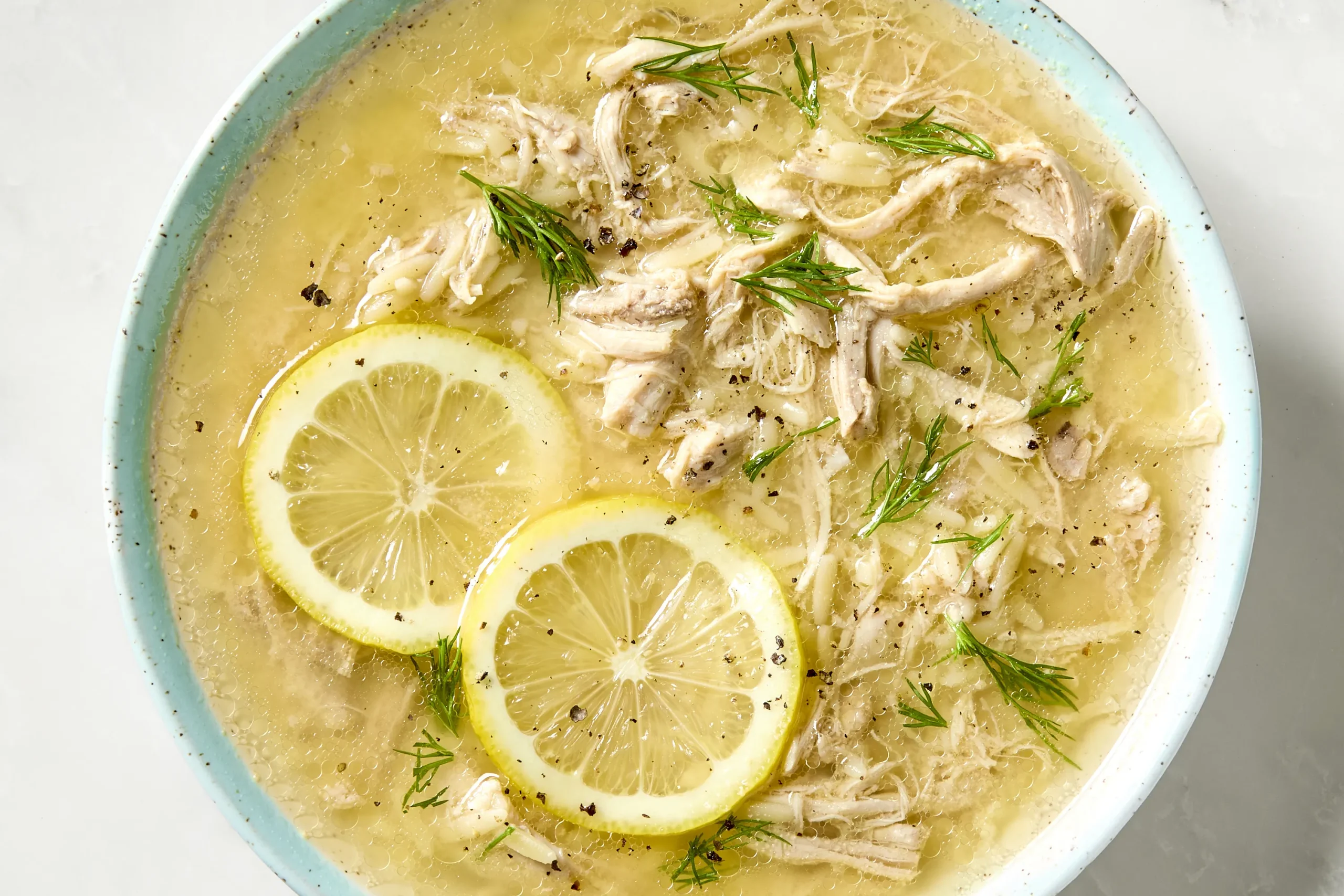
journalofserviceclimatology.org – Avgolemono is a traditional Greek soup that is celebrated for its unique blend of flavors and its creamy, velvety texture. Made with a simple yet delicious combination of eggs, lemon juice, and broth, this soup is often enriched with chicken or rice, making it a comforting and nourishing meal. Avgolemono is a staple in Greek cuisine, cherished for its ability to warm the soul and delight the palate.

The Origins of Avgolemono

The origins of avgolemono can be traced back to the Mediterranean and Middle Eastern regions, where the technique of using eggs and lemon as a thickening agent is common. The name “avgolemono” comes from the Greek words “avgo,” meaning egg, and “lemono,” meaning lemon. This method of cooking was likely introduced to Greece through Sephardic Jews and has since become a beloved part of Greek culinary tradition.

Key Ingredients

Eggs and Lemon

The defining ingredients of avgolemono are eggs and lemon juice, which work together to create a creamy and tangy base. The eggs are beaten and mixed with lemon juice, then carefully tempered with hot broth to prevent curdling. This mixture is what gives avgolemono its distinctive creamy consistency and bright flavor.

Broth

A rich, flavorful broth is essential to avgolemono, providing the foundation for the soup. Traditionally, chicken broth is used, but vegetable or beef broth can also be employed, depending on the desired flavor profile. The broth not only serves as the cooking medium but also enhances the overall taste of the soup.

Chicken and Rice

Avgolemono is often made heartier with the addition of shredded chicken and rice or orzo pasta. The chicken adds protein and depth, while the rice or pasta contributes to the soup’s comforting, filling nature. These ingredients transform avgolemono from a simple starter into a satisfying main course.

The Art of Making Avgolemono

Creating avgolemono requires careful attention to detail, particularly when incorporating the egg-lemon mixture into the hot broth. The key is to gradually temper the eggs by slowly adding hot broth while whisking continuously, ensuring a smooth and creamy texture without curdling. Once incorporated, the soup is gently heated until it thickens, taking care not to let it boil.

Nutritional Benefits

Avgolemono is not only delicious but also nutritious. It is a good source of protein, vitamins, and minerals, thanks to the eggs, chicken, and broth. The lemon juice adds a boost of vitamin C, and the soup’s comforting warmth makes it a popular remedy for colds and flu.

Serving Suggestions

Avgolemono is traditionally served hot, garnished with a sprinkle of fresh herbs like dill or parsley for added flavor and color. It pairs well with crusty bread or a simple salad, making it a versatile dish that can be enjoyed as a light lunch or a hearty dinner.

Conclusion

Avgolemono is a testament to the simplicity and elegance of Greek cuisine. Its creamy, tangy flavor and comforting warmth make it a beloved dish that is perfect for any occasion. Whether served as a starter or a main course, avgolemono offers a taste of Greece that is sure to delight and satisfy.

Konafa: A Sweet Symphony of Flavors and Textures

journalofserviceclimatology.org – Konafa, also spelled as Kunafa or Kanafeh, is a beloved Middle Eastern dessert that has captivated taste buds with its unique combination of textures and flavors. This indulgent treat is made from thin, noodle-like pastry that is soaked in a fragrant syrup and layered with nuts or rich cream. Konafa is a staple at celebrations and gatherings, offering a sweet finale to any meal.

A Rich Cultural Heritage

The origins of Konafa are steeped in history, with roots tracing back to the Levant region, including countries like Lebanon, Palestine, and Syria. Over time, it has become a cherished dessert throughout the Middle East and North Africa, with each region adding its own twist to the classic recipe. Konafa is often associated with special occasions such as Ramadan, weddings, and family gatherings, where it is enjoyed as a symbol of hospitality and celebration.

Ingredients and Preparation

The magic of Konafa lies in its simple yet exquisite ingredients, combined to create a dessert that is both crispy and creamy. Here’s a closer look at what makes Konafa so special:

  • Pastry: The base of Konafa is a thin, noodle-like pastry known as kataifi. This delicate pastry is made from finely shredded dough, which becomes crispy when baked.
  • Filling: Common fillings include a rich cream (often made from clotted cream or a cheese like ricotta) or a mixture of nuts such as pistachios, walnuts, or almonds.
  • Syrup: A fragrant syrup made from sugar, water, and a hint of rose or orange blossom water is drizzled over the baked Konafa, infusing it with sweetness and aroma.
  • Assembly: The pastry is layered with the chosen filling and baked until golden brown. The syrup is then poured over the hot pastry, allowing it to soak in and add moisture.

Variations and Serving Suggestions

Konafa comes in many delightful variations, each offering a unique twist on the classic recipe:

  • Cheese Konafa: Filled with a layer of gooey, melted cheese, offering a delightful contrast between the crispy pastry and creamy filling.
  • Nutty Konafa: Packed with chopped nuts, providing a crunchy texture and nutty flavor.
  • Cream-filled Konafa: Featuring a luscious cream filling that melts in the mouth.

Konafa is best enjoyed warm, often garnished with a sprinkle of ground pistachios for added color and flavor. It pairs beautifully with a cup of Arabic coffee or tea, making it a perfect treat for any time of day.

A Timeless Delight

Konafa is more than just a dessert; it is a testament to the rich culinary traditions of the Middle East. Its irresistible combination of textures, flavors, and aromas make it a favorite among dessert lovers around the world. Whether you’re experiencing it for the first time or savoring a cherished family recipe, Konafa promises a sweet journey into the heart of Middle Eastern cuisine.

In conclusion, Konafa is a celebration of sweetness and craftsmanship, offering a delightful taste of tradition and hospitality. Its enduring popularity is a testament to its ability to bring joy and satisfaction to those who indulge in its delicious layers.

Benne Wafers: A Southern Delicacy – Ingredients and Preparation

journalofserviceclimatology.org – Benne Wafers are a cherished treat in Southern cuisine, particularly in the Lowcountry region of South Carolina. These thin, crispy cookies are made with sesame seeds, known as “benne” seeds in the local vernacular. With their nutty flavor and delicate texture, Benne Wafers are a delicious reminder of the region’s rich culinary heritage and cultural influences.

The History and Origins

The history of Benne Wafers traces back to the introduction of sesame seeds to the American South from West Africa during the colonial period. Enslaved Africans brought these seeds, which were valued for their nutritional benefits and versatility in cooking. Over time, sesame seeds became an integral part of Southern cooking, and Benne Wafers emerged as a popular way to enjoy their unique flavor.

Ingredients and Preparation

Benne Wafers are celebrated for their simplicity and the distinct taste of sesame seeds:

  • Sesame Seeds: The star ingredient, sesame seeds give Benne Wafers their characteristic nutty flavor and crisp texture. They are typically toasted to enhance their aroma and taste.
  • Butter and Sugar: These cookies are made with a blend of butter and sugar, which provides a rich, sweet base to complement the sesame seeds.
  • Flour and Eggs: These ingredients help bind the cookies and give them their structure, resulting in a thin and crispy texture.
  • Flavorings: Vanilla extract and a pinch of salt are often added to enhance the overall flavor profile of the wafers.

To make Benne Wafers, the ingredients are mixed to form a dough, which is then dropped by spoonfuls onto a baking sheet. The cookies are baked until golden and crisp, allowing the sesame seeds to release their oils and develop a toasty flavor.

Serving and Enjoying Benne Wafers

Benne Wafers are versatile cookies that can be enjoyed in various ways:

  • As a Snack: They are perfect for snacking on their own, offering a delightful crunch and sweet, nutty flavor.
  • With Tea or Coffee: Benne Wafers pair beautifully with a cup of tea or coffee, making them an ideal accompaniment for afternoon tea or a coffee break.
  • As a Gift: These cookies are often packaged and given as gifts, especially during holidays and special occasions, as they represent good luck and prosperity.

Cultural Significance

Benne Wafers hold a special place in the culinary traditions of the South. They are a symbol of good fortune, with sesame seeds historically believed to bring prosperity. Today, they continue to be a beloved treat that reflects the region’s history and the blending of African and Southern culinary influences.

Conclusion

Benne Wafers are more than just cookies; they are a testament to the rich history and cultural exchange that defines Southern cuisine. Their simple yet delightful flavor and crispy texture make them a timeless favorite. Whether enjoyed as a snack or shared as a gift, Benne Wafers offer a taste of Southern heritage and a reminder of the region’s diverse culinary roots.

Ca Kho To: Vietnamese Caramelized Fish in Clay Pot

journalofserviceclimatology.org – Ca Kho To, or caramelized fish in a clay pot, is a cherished dish in Vietnamese cuisine known for its rich and savory flavors. This traditional dish combines fresh fish with a flavorful caramel sauce, creating a harmonious blend of sweet, salty, and umami tastes. Often enjoyed with steamed rice, Ca Kho To is a comforting meal that highlights the culinary expertise of Vietnam.

The Origins of Ca Kho To

Ca Kho To has its roots in the southern regions of Vietnam, where it is a staple in home-cooked meals. The dish is traditionally prepared using a clay pot, which helps to evenly distribute heat and enhances the flavors of the ingredients. This method of cooking has been passed down through generations, preserving the authentic taste and cultural significance of the dish.

Ingredients and Preparation

The main ingredient in Ca Kho To is typically catfish or snakehead fish, though other types of fish can also be used. The fish is first marinated in a mixture of fish sauce, sugar, garlic, shallots, and black pepper. This marinade infuses the fish with deep flavors before it is cooked.

The cooking process involves caramelizing sugar in the clay pot to create a rich, amber-colored sauce. The marinated fish is then added to the pot, along with additional seasonings such as soy sauce and chili. The dish is slowly simmered, allowing the fish to absorb the caramelized flavors while becoming tender and succulent.

Variations and Accompaniments

While the traditional version of Ca Kho To is well-loved, variations exist across different regions. Some recipes might include ingredients like coconut water for added sweetness or use different types of fish. The dish is often garnished with fresh scallions and cilantro, enhancing its presentation and flavor.

Ca Kho To is typically served with steamed rice, which complements the rich sauce and helps balance the intense flavors. It is also common to serve it with pickled vegetables or a side of fresh greens to add a refreshing contrast.

A Taste of Vietnam at Home

Making Ca Kho To at home may require some time and patience, but the result is a deeply flavorful and satisfying dish. The use of a clay pot is traditional, but a regular pot can also be used if a clay pot is unavailable. There are many recipes available online that provide step-by-step instructions, allowing home cooks to recreate this classic dish in their own kitchens.

Conclusion

Ca Kho To is a testament to the rich culinary traditions of Vietnam, offering a delicious taste of the country’s heritage. Its unique blend of caramelized flavors and tender fish makes it a standout dish that is both comforting and memorable. Whether enjoyed at a family dinner or prepared at home, Ca Kho To is a flavorful journey into the heart of Vietnamese cuisine.

Cokelat Hitam: Antioksidan Alami untuk Mencegah Penuaan Dini

Cokelat hitam, selain nikmat dikonsumsi, juga kaya akan manfaat kesehatan. Salah satu kandungan utamanya adalah antioksidan, yang berperan penting dalam menangkal radikal bebas dan mencegah kerusakan sel. Penuaan dini, yang sering disebabkan oleh paparan polusi, stres, dan sinar UV, bisa dikelola dengan asupan cokelat hitam alternatif trisula88. Berikut adalah beberapa alasan mengapa cokelat hitam dianggap sebagai antioksidan alami yang efektif untuk mencegah penuaan dini.

1. Kandungan Flavonoid yang Tinggi

Cokelat hitam mengandung flavonoid, sejenis antioksidan kuat yang membantu melawan radikal bebas. Radikal bebas dapat merusak sel-sel tubuh, menyebabkan kerutan dan tanda-tanda penuaan dini. Dengan rutin mengonsumsi cokelat hitam berkualitas, tubuh mendapatkan perlindungan dari kerusakan oksidatif.

2. Meningkatkan Elastisitas Kulit

Flavonoid dalam cokelat hitam membantu meningkatkan aliran darah dan hidrasi pada kulit. Dengan sirkulasi yang baik, nutrisi lebih mudah terserap, sehingga kulit tampak lebih kenyal dan elastis. Hal ini juga dapat mengurangi munculnya garis halus dan kerutan.

3. Melindungi Kulit dari Sinar UV

Paparan sinar UV berlebih dapat mempercepat penuaan kulit. Cokelat hitam dapat membantu melindungi kulit dari efek buruk sinar matahari berkat kandungan polifenolnya, yang bekerja sebagai tabir surya alami. Meski bukan pengganti sunscreen, konsumsi cokelat hitam dapat menjadi perlindungan tambahan bagi kulit.

4. Membantu Mengurangi Stres

Stres adalah salah satu faktor pemicu penuaan dini. Cokelat hitam dapat merangsang produksi serotonin, hormon yang membantu menurunkan stres dan meningkatkan suasana hati. Dengan emosi yang lebih stabil, tubuh dapat bekerja lebih efektif dalam memperbaiki sel-sel yang rusak dan menjaga kesehatan kulit.

5. Menyehatkan Jantung dan Pembuluh Darah

Kesehatan jantung dan pembuluh darah sangat berpengaruh terhadap kondisi kulit. Cokelat hitam dapat membantu menurunkan tekanan darah dan meningkatkan fungsi pembuluh darah, sehingga distribusi oksigen dan nutrisi ke seluruh tubuh, termasuk kulit, lebih optimal.

6. Mengandung Mineral Penting

Cokelat hitam kaya akan mineral seperti zat besi, magnesium, dan tembaga, yang berperan dalam menjaga kesehatan kulit. Magnesium, misalnya, membantu mengurangi peradangan dan memperbaiki kondisi kulit yang rusak.

7. Mengurangi Peradangan

Peradangan kronis dapat mempercepat proses penuaan dan memicu berbagai masalah kulit seperti jerawat dan kerutan. Cokelat hitam memiliki sifat anti-inflamasi yang membantu menenangkan kulit dan mengurangi risiko penuaan dini akibat peradangan.

8. Meningkatkan Produksi Kolagen

Kolagen adalah protein penting yang menjaga kekencangan dan elastisitas kulit. Kandungan bioaktif dalam cokelat hitam dapat merangsang produksi kolagen, sehingga kulit tetap kencang dan sehat.

Cara Memaksimalkan Manfaat Cokelat Hitam

  • Pilih cokelat hitam dengan kadar kakao minimal 70% agar kandungan antioksidannya lebih tinggi.
  • Konsumsi dalam jumlah wajar (sekitar 30-60 gram per hari) agar manfaatnya maksimal tanpa meningkatkan risiko kenaikan berat badan.
  • Hindari cokelat hitam dengan tambahan gula berlebih atau bahan aditif lain yang mengurangi manfaatnya.

Kesimpulan

Cokelat hitam bukan hanya camilan lezat, tetapi juga sumber antioksidan alami yang efektif dalam mencegah penuaan dini. Dengan kandungan flavonoid, polifenol, dan nutrisi penting lainnya, cokelat hitam membantu menjaga elastisitas kulit, melawan radikal bebas, dan meningkatkan kesehatan secara keseluruhan. Mengonsumsinya secara teratur dan seimbang dapat menjadi bagian dari gaya hidup sehat untuk mendapatkan kulit yang awet muda dan tubuh yang lebih bugar.

A Guide to Canning, Pickling, and More: The Preservation Pantry

journalofserviceclimatology.org – The art of food preservation is as old as civilization itself. It’s a practice that allows us to enjoy the bounty of each season year-round, transforming fresh produce into shelf-stable delights. The Preservation Pantry is where this alchemy takes place, offering a haven for canning, pickling, and other preservation techniques. This article provides a comprehensive guide to the world of food preservation, exploring the methods, benefits, and steps to create your own pantry of preserved goods.

The Benefits of Food Preservation

Food preservation is not just about extending the shelf life of ingredients; it’s about capturing flavors at their peak and reducing food waste. Preserved foods often develop complex flavors and textures that can enhance a variety of dishes. Additionally, home preservation allows you to control the quality and ingredients of your food, ensuring that what you eat is free from preservatives and additives.

Canning: Sealing in Freshness

Canning is one of the most popular preservation methods, involving the processing of foods in jars to create an airtight seal. This method is ideal for fruits, vegetables, and even meats, preserving them in a state that’s as close to fresh as possible. The key to successful canning lies in proper sterilization of jars, accurate processing times, and maintaining the right temperature to ensure a safe and effective seal.

Pickling: A Tangy Preservation

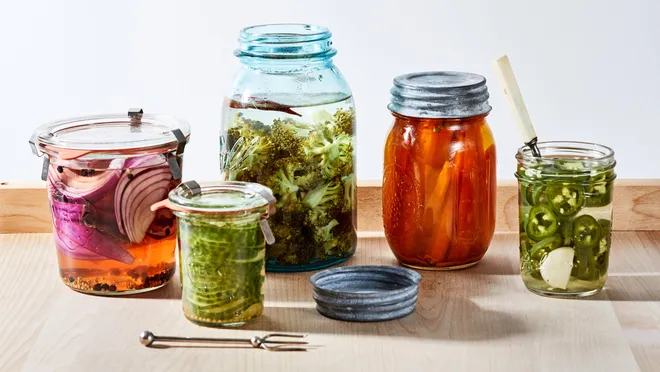
Pickling is another timeless technique that adds a tangy twist to vegetables, fruits, and even eggs. It involves submerging the ingredients in a brine or vinegar solution, which creates an acidic environment that inhibits the growth of bacteria. Pickling can transform everyday ingredients into vibrant, flavorful additions to any meal. From classic dill pickles to exotic fruit pickles, the possibilities are endless.

Drying and Dehydrating: Concentrating Flavors

Drying and dehydrating are methods that remove moisture from foods, concentrating their flavors and extending their shelf life. This can be done naturally through sun drying or using a dehydrator. Fruits like apples and apricots, as well as herbs and certain vegetables, are excellent candidates for drying. The result is a chewy or crispy texture that can be enjoyed as a snack or used as an ingredient in cooking and baking.

Fermentation: Beyond Preservation

While fermentation is a form of preservation, it also offers a unique set of benefits, including the creation of probiotic-rich foods. Fermented foods like sauerkraut, kimchi, and kefir not only preserve the nutritional value of the ingredients but also introduce beneficial bacteria to the gut. Fermentation is a dynamic process that can add depth and complexity to a wide range of dishes.

Setting Up Your Preservation Pantry

Creating your own Preservation Pantry involves gathering the right tools and ingredients. You’ll need canning jars, lids, a canner or large pot, a jar lifter, and other specialized tools depending on the preservation method you choose. It’s also important to source high-quality, preferably organic, produce to ensure the best results.

Conclusion: A Pantry Full of Possibilities

The Preservation Pantry is a testament to the ingenuity and creativity of home cooks. By mastering the art of canning, pickling, drying, and fermentation, you can transform your kitchen into a treasure trove of flavors. Whether you’re preserving the summer’s bounty or adding depth to your winter meals, food preservation offers a world of possibilities to explore. With patience, practice, and a bit of creativity, you can create a pantry that’s both delicious and nutritious, ensuring that every season’s harvest is savored to the fullest.

Delicious Kid-Friendly Recipes: The Picky Eater’s Solution

journalofserviceclimatology.org – Mealtime can often turn into a battlefield for parents of picky eaters. Children who are selective about their food can be a challenge, leading to stress and worry about whether they’re getting the nutrients they need. However, with a bit of creativity and some delicious, kid-friendly recipes, you can turn mealtime into a pleasant experience for the whole family. Here are some strategies and recipes designed to appeal to even the most discerning young palates.

Understanding Picky Eaters

Before diving into recipes, it’s important to understand why some children are picky eaters. Factors such as taste preferences, textures, and even the way food looks can influence a child’s willingness to try new things. The key is to be patient and persistent, offering a variety of foods in a non-pressure environment.

Hiding Vegetables in Favorite Foods

One of the most effective strategies for picky eaters is to incorporate vegetables into their favorite dishes in a way that they won’t notice. For example, you can make a veggie-packed pasta sauce by pureeing carrots, zucchini, and spinach into the sauce. This not only adds essential nutrients but also color and flavor to the dish.

Fun and Interactive Meals

Making meals fun and interactive can also encourage picky eaters to try new foods. Consider making homemade pizza where your child can choose their toppings, or have a taco night where they can assemble their own tacos. This sense of control over their food can make them more willing to experiment.

Recipe Ideas for Picky Eaters

  1. Mini Veggie Muffins: These muffins are a great way to sneak in some vegetables. Mix grated carrot, zucchini, and corn into a muffin batter. Add some cheese and a bit of ham for extra flavor. These muffins are perfect for breakfast or a snack.
  2. Chicken Nuggets with a Twist: Instead of buying processed chicken nuggets, make your own using ground chicken. Mix in some finely chopped broccoli or spinach. Shape into nuggets, coat with breadcrumbs, and bake until golden. Serve with a dipping sauce like ketchup or yogurt-based ranch.
  3. Fruit and Veggie Smoothies: Smoothies are an excellent way to pack in nutrients without the fuss. Blend spinach or kale with banana, strawberries, and a bit of peanut butter for protein. Use a natural sweetener like honey if needed. This is a great way to start the day or have as a refreshing snack.
  4. Mac and Cheese with a Secret: Everyone loves mac and cheese, but it can be a nutritional void. Boost the nutritional value by adding pureed butternut squash to the cheese sauce. The squash adds a natural sweetness and creaminess that kids won’t be able to resist.

Conclusion

Feeding picky eaters doesn’t have to be a struggle. By understanding their preferences and being creative in the kitchen, you can ensure they get the nutrients they need while enjoying their meals. Remember, it’s all about making food fun, appealing, and accessible. With these strategies and recipes, mealtime can be a happy time for the whole family.

Ramen: Japan’s Soulful Instant Meal

journalofserviceclimatology.org – Ramen, a dish that has transcended its humble beginnings to become a global phenomenon, is more than just a meal; it’s a symbol of Japan’s culinary soul. Originating from China, ramen was introduced to Japan in the early 20th century and has since been transformed into a quintessential Japanese dish. Its popularity is not just confined to Japan; it has become a beloved comfort food worldwide, celebrated for its rich flavors, diverse varieties, and the story it tells about Japan’s post-war economic miracle.

The History of Ramen

The history of ramen in Japan is a tale of innovation and adaptation. Initially, ramen was a simple dish, consisting of Chinese-style wheat noodles in a broth, served with a few toppings. However, after World War II, ramen evolved significantly. With food shortages and the need for affordable, nutritious meals, instant ramen was invented in 1958 by Momofuku Ando, the founder of Nissin Foods. This invention revolutionized the way ramen was consumed, making it accessible to everyone, from the poorest to the wealthiest.

The Soul of Ramen

What makes ramen a soulful meal is its ability to comfort and satisfy on a deep level. It’s not just about the taste; it’s about the experience. The ritual of slurping noodles, the warmth of the broth, and the variety of textures and flavors all contribute to a meal that is both simple and profound. Ramen shops, or ramenyas, are a staple in Japan, offering a wide range of ramen styles, from the rich, milky tonkotsu broth to the light, refreshing shoyu (soy sauce) broth.

The Varieties of Ramen

One of the most fascinating aspects of ramen is its diversity. Each region in Japan has its own unique take on ramen, reflecting local tastes and ingredients. Some of the most popular varieties include:

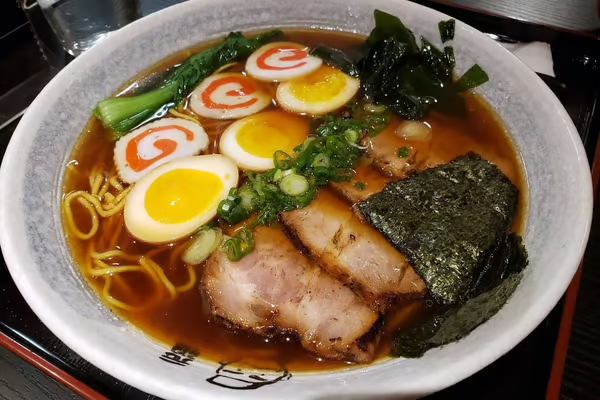
  • Shoyu Ramen: Originating from Tokyo, this ramen features a soy sauce-based broth, often garnished with bamboo shoots, green onions, and a soft-boiled egg.
  • Miso Ramen: Hailing from Sapporo, this hearty ramen is made with a miso-based broth, often accompanied by sweetcorn, butter, and roasted pork.
  • Tonkotsu Ramen: Famous in Kyushu, particularly Fukuoka, tonkotsu ramen is known for its creamy, pork bone broth, served with thin, straight noodles and topped with pork belly slices.

The Global Appeal of Ramen

Ramen’s appeal is not limited to Japan; it has become a global sensation. Ramen shops can be found in cities around the world, each offering their own interpretation of this beloved dish. The global ramen boom has also led to the creation of new styles and flavors, as chefs experiment with ingredients and techniques from different cuisines.

Conclusion

Ramen is more than just a meal; it’s a cultural icon that embodies the spirit of Japan. From its humble beginnings to its current status as a global comfort food, ramen continues to evolve and inspire. Whether enjoyed in a bustling ramenya in Tokyo or a cozy restaurant in New York, ramen remains a soulful, satisfying dish that brings people together. Its story is a testament to the power of food to connect, comfort, and transform.