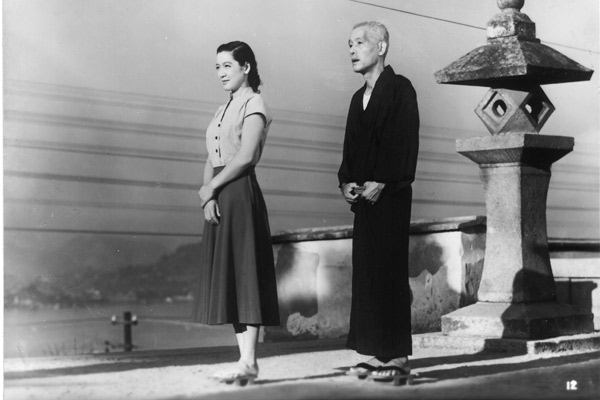
Tokyo Story (1953): A Subtle Masterpiece of Family, Aging

journalofserviceclimatology.org – Tokyo Story (1953), directed by Yasujirō Ozu, is one of the most revered films in world cinema, known for its profound exploration of the complexities of family life, aging, and generational divides. Set in post-war Japan, the film tells the story of an elderly couple, Shūkichi and Tomi Hirayama, who travel to Tokyo to visit their children. What unfolds is a subtle, deeply moving meditation on the passage of time, the changing nature of family dynamics, and the emotional isolation that can come with modern life.

Ozu’s signature style—characterized by minimalist cinematography, restrained acting, and long, contemplative shots—infuses Tokyo Story with a timeless quality that continues to resonate with audiences around the world. The film’s exploration of familial love and the inevitability of change speaks to universal themes, making it a deeply humanist work that remains relevant to this day.

Plot Overview: A Journey of Emotional Disconnection

Tokyo Story centers on Shūkichi (played by Chishū Ryū) and Tomi (played by Chieko Higashiyama), a retired couple from a small town in Japan. After their son and daughter-in-law suggest they visit Tokyo, the elderly couple makes the journey to visit their adult children, including their son, Koichi (played by So Yamamura), who is a busy doctor, and their daughter, Shige (played by Haruko Sugimura), who runs a beauty salon.

Upon arriving in Tokyo, Shūkichi and Tomi are greeted with cold indifference. Their children, caught up in their own busy lives and personal concerns, are unable—or unwilling—to spend quality time with them. The couple is left feeling alienated and isolated, with only Noriko (played by Setsuko Hara), the widow of their deceased son, offering them genuine warmth and kindness. As Shūkichi and Tomi’s visit unfolds, the emotional distance between the parents and their children becomes increasingly evident, culminating in a heartbreaking and poignant realization about the passage of time, family bonds, and the inevitability of death.

The film’s central emotional arc lies in the gradual recognition by the elderly couple of how much their children have changed. Tokyo Story does not feature dramatic confrontations or overt displays of emotion; instead, it presents a series of quiet, often understated moments that convey the deep sadness of unspoken feelings and the quiet erosion of familial closeness.

Themes of Aging, Family, and Modern Life

At its heart, Tokyo Story is a meditation on aging and the generational divides that often come with it. The elderly couple’s journey to Tokyo serves as a metaphor for the sense of disconnection and isolation that many experience as they grow older. Their children, absorbed in their own lives, no longer have time or emotional energy for their parents, illustrating the changing dynamics of family relationships in the face of modernization.

The film’s portrayal of aging is marked by a sense of quiet resignation. Shūkichi and Tomi are not angry or resentful of their children’s indifference; rather, they accept it as an inevitable part of life. This resignation, however, does not diminish the emotional weight of their experience. Ozu’s focus on small, everyday moments—such as the elderly couple’s tiredness, their wistful gazes, or the fleeting exchanges between family members—conveys the melancholy of growing old without the support of loved ones.

Family, too, is a central theme in Tokyo Story, though not in the typical, idealized sense. The film shows the complexities and challenges of familial bonds, emphasizing that love between parents and children is not always expressed in obvious ways. The Hirayamas’ children, despite their apparent neglect, do care for their parents in their own ways, but they are too preoccupied with the demands of modern life to offer them the emotional attention they need. The film subtly critiques the rise of modernity and urbanization, suggesting that the rapid pace of change in post-war Japan has strained traditional family values and left older generations feeling displaced and forgotten.

Ozu’s Cinematic Style: Minimalism and Emotional Depth

Yasujirō Ozu’s directorial style is one of the key reasons for Tokyo Story‘s enduring impact. Known for his minimalist approach, Ozu uses static shots, subtle framing, and a calm pacing that allows the emotional depth of the story to unfold slowly and organically. The film’s lack of overt dramatic moments or melodrama makes its emotional weight all the more powerful.

Ozu’s use of the “tatami shot”—a low-angle perspective from the floor, as though the viewer is sitting with the characters—creates a sense of intimacy and invites the audience to engage with the story on a deeply personal level. The restrained performances, especially from the lead actors Chishū Ryū and Chieko Higashiyama, reflect the film’s delicate handling of emotion, where even the smallest gesture can speak volumes about the characters’ internal worlds.

The film’s pacing is deliberate, and its structure is deceptively simple. There are no rapid shifts in tone or sudden bursts of action; instead, Tokyo Story is composed of quiet, contemplative scenes that invite reflection on the passing of time and the ephemeral nature of life. The rhythm of the film mirrors the passage of time itself—gradual, steady, and, ultimately, irreversible.

Ozu’s use of space and setting further enhances the film’s emotional resonance. The contrast between the cramped, impersonal environment of Tokyo and the quiet, familiar rural setting of the Hirayama family’s home amplifies the sense of alienation felt by Shūkichi and Tomi. The busy, modern city represents the pressures of contemporary life, while the countryside symbolizes the simpler, more traditional values that the elderly couple still holds dear.

Legacy and Influence: A Film That Speaks to Generations

Tokyo Story has long been regarded as one of the greatest films ever made. It received widespread acclaim for its subtle yet profound examination of family, aging, and the human condition. The film was named the greatest Japanese film of all time by the Japanese Film Directors’ Association in 1999 and has consistently appeared on numerous “best of” film lists globally.

Ozu’s influence on cinema is vast, with many filmmakers citing Tokyo Story as a major inspiration. Directors such as Aki Kaurismäki, Hou Hsiao-hsien, and even Ang Lee have acknowledged Ozu’s impact on their own work, particularly his focus on family dynamics, the passage of time, and the simple beauty of everyday life. The film’s universal themes continue to resonate with audiences across different cultures, making it a truly global masterpiece.

The exploration of generational gaps, familial obligations, and the inevitability of change in Tokyo Story is as relevant today as it was in 1953. The film speaks to the enduring challenges faced by families in a rapidly changing world, and its meditative quality makes it a timeless reflection on the emotional complexities of life.

Conclusion: A Quiet Masterpiece of Human Connection

Tokyo Story is a film that rewards patience and introspection. Through its quiet moments, understated performances, and minimalist direction, it explores the profound emotional landscapes of family, aging, and modernity with extraordinary depth. The film’s simplicity belies its emotional complexity, offering a meditation on the universal themes of love, loss, and the passage of time. Yasujirō Ozu’s Tokyo Story remains a cornerstone of world cinema, a film that speaks to the heart of what it means to be human, and a timeless masterpiece that continues to touch audiences, generation after generation.

The Groundhogs: A Family Affair on the Slopes

journalofserviceclimatology.orgÉlie Chouraqui’s 1993 film, The Groundhogs (Les Marmottes), is a heartwarming family comedy-drama that captures the joys and challenges of a family vacation in the French Alps.

A Winter Wonderland of Family Dynamics

The film follows a large, extended family as they gather for a winter ski holiday. Amidst the snowy landscapes and cozy chalets, the various family members navigate their relationships, both old and new. From the bickering siblings to the eccentric grandparents, each character brings their own unique quirks and conflicts to the table.

A Blend of Humor and Heart

The Groundhogs balances humor and heart with equal measure. The film’s comedic moments, often arising from the characters’ misunderstandings and misadventures, are both witty and endearing. However, beneath the surface humor lies a deeper exploration of family dynamics, love, and the importance of connection.

A Cast of Talented Actors

The film features a talented ensemble cast, including Christine Boisson, Jacqueline Bisset, and Virginie Ledoyen. Their performances bring depth and nuance to their characters, making them both relatable and memorable.

A Timeless Tale of Family and Friendship

The Groundhogs is a timeless film that resonates with audiences of all ages. Its heartwarming story of family, friendship, and the importance of spending time together is as relevant today as it was when it was first released.

Cat on a Hot Tin Roof: A Exploration of Family Secrets & Desires

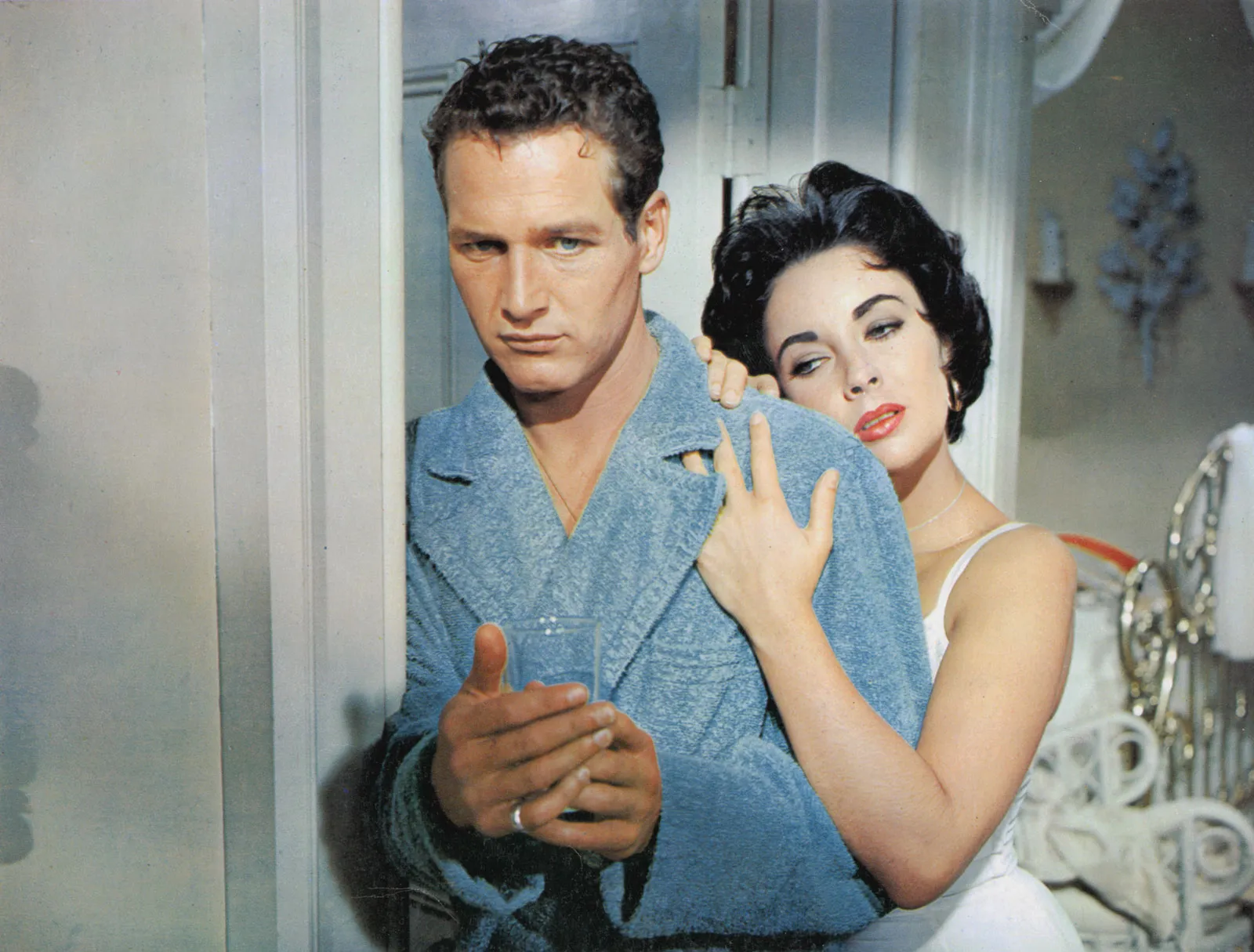
journalofserviceclimatology.org – Richard Brooks’ 1958 film adaptation of Tennessee Williams’ Pulitzer Prize-winning play, Cat on a Hot Tin Roof, is a searing exploration of family dysfunction, sexual repression, and the destructive power of lies. The film follows the story of the Pollitt family, a wealthy Southern family gathered at their plantation home for a birthday celebration.

A Cast of Complex Characters

The film boasts a stellar cast, with Elizabeth Taylor and Paul Newman delivering iconic performances. Taylor portrays Maggie “Maggie the Cat” Pollitt, a sensual and manipulative woman who yearns for love and attention. Newman plays her husband, Brick Pollitt, a former football star who has retreated into a world of alcohol and self-destruction.

A Tense and Explosive Drama

Cat on a Hot Tin Roof is a tense and explosive drama that delves into the psychological complexities of its characters. The film’s exploration of themes such as sexuality, masculinity, and the American Dream is both provocative and timeless. The play’s iconic lines, such as “mendacity” and “brutally honest,” have become part of the cultural lexicon.

A Bold and Controversial Film

Upon its release, Cat on a Hot Tin Roof was considered a bold and controversial film. The film’s frank exploration of sexuality and its unflinching portrayal of family dysfunction challenged the moral standards of the time. However, the film’s critical and commercial success cemented its place as a classic of American cinema.

A Timeless Tale of Desire and Deception

Cat on a Hot Tin Roof remains a timeless tale of desire, deception, and the human condition. Its powerful performances, evocative dialogue, and enduring themes continue to captivate audiences. The film’s exploration of the dark side of the American Dream and the destructive power of family secrets is as relevant today as it was in the 1950s.

The Richardson Family Murders: Tale of Jasmine Richardson

journalofserviceclimatology.org – The Richardson family murders stand out as one of the most shocking and complex cases in Canadian criminal history. At the center of this disturbing case was Jasmine Richardson, a 12-year-old girl whose involvement in the brutal killings of her family sent shockwaves across the nation and raised serious questions about influence, manipulation, and juvenile crime.

Background and Family Dynamics

Jasmine Richardson was a seemingly typical young girl living in Medicine Hat, Alberta, with her parents, Marc and Debra Richardson, and her younger brother, Jacob. The family was considered average and unremarkable by neighbors, making the events that unfolded all the more shocking.

The Crime

On April 23, 2006, the bodies of Marc, Debra, and eight-year-old Jacob Richardson were discovered in their home. Marc and Debra had been brutally stabbed, while Jacob was found dead in his bedroom. The investigation quickly revealed that Jasmine, along with her 23-year-old boyfriend Jeremy Steinke, had conspired to commit the murders. Jasmine, who had been influenced by Steinke’s dark interests and violent fantasies, played a key role in planning and executing the crime.

Legal Proceedings

Jasmine Richardson was arrested and charged with three counts of first-degree murder. Given her age, she was tried under Canada’s Youth Criminal Justice Act, which meant she faced a maximum sentence of ten years. During the trial, it was revealed that Jasmine and Jeremy had plotted the murders as a means to be together, as her parents disapproved of their relationship. In 2007, Jasmine was convicted and sentenced to the maximum term, including time served in custody and mandatory supervision.

Psychological Analysis

The case of Jasmine Richardson delved into the psychological vulnerabilities of adolescents and their susceptibility to manipulation. Experts highlighted how Jasmine, at a young and impressionable age, had been heavily influenced by Steinke, who introduced her to violent ideologies and fantasies. The case raised important discussions about the impact of peer pressure, the internet, and media on young minds.

Impact on Society

The Richardson family murders had a profound impact on the Medicine Hat community and beyond. It highlighted the need for awareness and intervention in cases of troubled youth and the importance of understanding the psychological factors that contribute to such extreme behavior. The case also prompted discussions about the appropriate legal treatment of juvenile offenders and the potential for rehabilitation.

Reflections on Youth and Justice

Jasmine Richardson’s story forces us to confront difficult questions about youth, crime, and justice. It challenges us to consider how society can better protect vulnerable young people from negative influences and ensure that they receive the guidance and support needed to make positive choices.

Conclusion

The tragic tale of the Richardson family murders serves as a reminder of the complexities of juvenile crime and the need for a compassionate yet effective justice system. As society continues to grapple with these challenges, it is crucial to focus on prevention, education, and rehabilitation to prevent similar tragedies in the future.

The Network of Care: Family Support Systems

journalofserviceclimatology.org – In the intricate web of human relationships, family support systems emerge as a vital network of care that provides emotional, physical, and psychological support to its members. These systems are not just confined to immediate family but often extend to include extended family, close friends, and community members. The strength and resilience of a family are significantly influenced by the quality and effectiveness of its support systems.

The Pillars of Family Support Systems

At the core of family support systems are several key pillars that contribute to their effectiveness. These include:

1. Emotional Support

Emotional support involves providing comfort, understanding, and encouragement to family members. It is about being there to listen, offer a shoulder to lean on, and share in both the joys and sorrows of life. This form of support helps build resilience and fosters a sense of belonging and security.

2. Practical Assistance

Practical assistance encompasses the tangible help that family members provide to one another. This can range from helping with household chores, providing financial support, to assisting with childcare or elderly care. Such assistance is crucial during times of crisis or when family members are facing significant life challenges.

3. Social Connections

Strong social connections within the family support system help to combat feelings of isolation and loneliness. These connections are fostered through regular communication, shared activities, and family gatherings. They provide a sense of community and belonging, which is essential for mental and emotional well-being.

4. Health and Well-being

Encouraging healthy lifestyle choices and providing support for physical and mental health is another critical aspect of family support systems. This can involve promoting healthy eating, encouraging regular exercise, and offering support for managing stress and mental health issues.

The Role of Communication

Effective communication is the backbone of any strong family support system. It involves not just speaking but also listening, empathizing, and validating each other’s feelings and perspectives. Open and honest dialogue allows family members to express their needs, share their joys and sorrows, and resolve conflicts amicably. This exchange of thoughts and emotions strengthens the familial ties, making the family a cohesive unit capable of facing life’s challenges together.

Building Resilience Through Support Systems

Family support systems play a crucial role in building resilience among family members. By providing a safety net of care and support, these systems help individuals cope with stress, recover from setbacks, and adapt to change. Whether it’s dealing with the loss of a job, the illness of a loved one, or the challenges of parenting, the support of family members can make a significant difference.

The Extended Circle of Care

In many cases, family support systems extend beyond the immediate family to include extended family members, close friends, and community networks. These extended circles of care provide additional layers of support, offering diverse perspectives, resources, and assistance. They help to broaden the family’s support network, making it more robust and resilient.

Conclusion

Family support systems are the network of care that binds families together, providing the emotional, practical, and social support needed to navigate life’s challenges. By fostering open communication, offering practical assistance, and building strong social connections, these systems help to create a nurturing environment that promotes health, well-being, and resilience. As we recognize the importance of these support systems, let us strive to strengthen and expand them, ensuring that the bonds of family remain a source of strength and comfort for generations to come.

Understanding the Connection: School Crime and the Family

journalofserviceclimatology.org – School crime is a complex issue that extends beyond the walls of educational institutions, deeply affecting families and communities. This article explores the intricate connection between school crime and the family unit, examining how family dynamics can influence the likelihood of students engaging in or being victims of school crime, and how such incidents can have lasting impacts on family life.

The Role of Family in School Crime

Family plays a crucial role in shaping a child’s behavior and attitudes, which can directly influence their involvement in school crime.

Parental Influence

Parents are the primary role models for children. Their behavior, values, and disciplinary practices can either discourage or inadvertently encourage criminal behavior.

Family Environment

The family environment, including factors such as socioeconomic status, exposure to violence, and family stability, can contribute to a child’s propensity for engaging in school crime.

Family Dynamics and School Crime

Certain family dynamics are more likely to be associated with school crime, either as a cause or a consequence.

Family Conflict

High levels of family conflict can lead to emotional and behavioral problems in children, increasing the risk of involvement in school crime.

Parental Supervision

Lack of parental supervision can result in children having more opportunities to engage in criminal activities without consequences.

Sibling Influence

Older siblings, especially those involved in criminal behavior, can influence younger siblings to engage in similar activities.

The Impact of School Crime on Families

School crime can have profound effects on families, both emotionally and practically.

Emotional Toll

Families of both perpetrators and victims of school crime often experience significant emotional distress, including grief, guilt, and fear.

Financial Strain

Legal fees, counseling, and other expenses related to school crime incidents can place a financial burden on families.

Social Stigma

Families, particularly those of perpetrators, may face social stigma and isolation, further exacerbating the emotional impact of school crime.

Supporting Families Affected by School Crime

Supporting families affected by school crime is crucial for mitigating the long-term impacts and preventing future incidents.

Counseling and Support Services

Access to counseling and support services can help families cope with the emotional aftermath of school crime.

Educational Programs

Educational programs that focus on conflict resolution, empathy, and positive role modeling can help prevent school crime by addressing underlying family issues.

Community Involvement

Community involvement and support can provide families with the resources and networks needed to overcome the challenges associated with school crime.

Conclusion

The connection between school crime and the family is deep and multifaceted. Understanding this relationship is essential for developing effective strategies to prevent school crime and support families affected by it. By addressing the root causes within the family unit and providing comprehensive support services, communities can work towards creating safer environments for all children and families.

The Siblings Behind the Fame: Famous Families

journalofserviceclimatology.org – In the world of entertainment, politics, and business, the impact of family ties often goes beyond the mere sharing of genes. Siblings, in particular, have a unique bond that can either propel them into the limelight together or allow them to carve out individual paths to fame. This article delves into the lives of some famous families, focusing on the siblings behind the fame, and explores how their relationships have shaped their careers and public personas.

The Kardashian-Jenner Dynasty

Perhaps one of the most well-known families in recent history, the Kardashian-Jenners, have dominated the reality TV scene and beyond. Kim, Kourtney, Khloé, Rob, along with their half-siblings Kendall and Kylie Jenner, have leveraged their family dynamics to build an empire. Their show, “Keeping Up with the Kardashians,” provided a window into their lives, showcasing the complexities of sibling relationships under the public eye. Each sibling has ventured into various business endeavors, from fashion to beauty, proving that their collective fame is more than just a reality TV phenomenon.

The Baldwin Brothers

The Baldwin brothers—Alec, Daniel, William, and Stephen—have each made their mark in the entertainment industry, primarily in acting. Their careers span decades, with Alec being the most prominent in Hollywood. Despite their individual successes, the brothers have often been in the public eye together, whether it’s for their political views or their acting projects. Their family’s legacy in the entertainment industry is a testament to the enduring influence of sibling bonds in shaping careers.

The Jonas Brothers

In the music world, the Jonas Brothers—Kevin, Joe, and Nick—have captivated audiences with their talent and brotherly camaraderie. Starting their careers as a band, they quickly became teen idols, only to later pursue individual projects. Their solo endeavors allowed them to explore different musical styles and acting opportunities, but their reunion as a band in 2019 proved that their sibling bond and shared musical talent was as strong as ever. The Jonas Brothers’ journey from a band to solo artists and back together again highlights the dynamic nature of sibling relationships in the entertainment industry.

The Coppola Family

The Coppola family is a prime example of how a family’s legacy can influence the next generation’s careers. Francis Ford Coppola, a legendary filmmaker, has inspired his children, Sofia, Roman, and Gian-Carlo, to pursue careers in the arts. Sofia, in particular, has made a name for herself as a director and actress, following in her father’s footsteps. The Coppola family’s contribution to film and the arts is a testament to the power of family influence in shaping individual talents.

Conclusion

The stories of these famous families reveal that sibling relationships can be a powerful force in achieving fame and success. Whether it’s through collaboration, competition, or mutual support, the bonds between siblings can inspire and drive individuals to reach new heights in their careers. As these families continue to make their mark on the world, their legacies serve as a reminder of the enduring impact of family ties in the pursuit of fame.